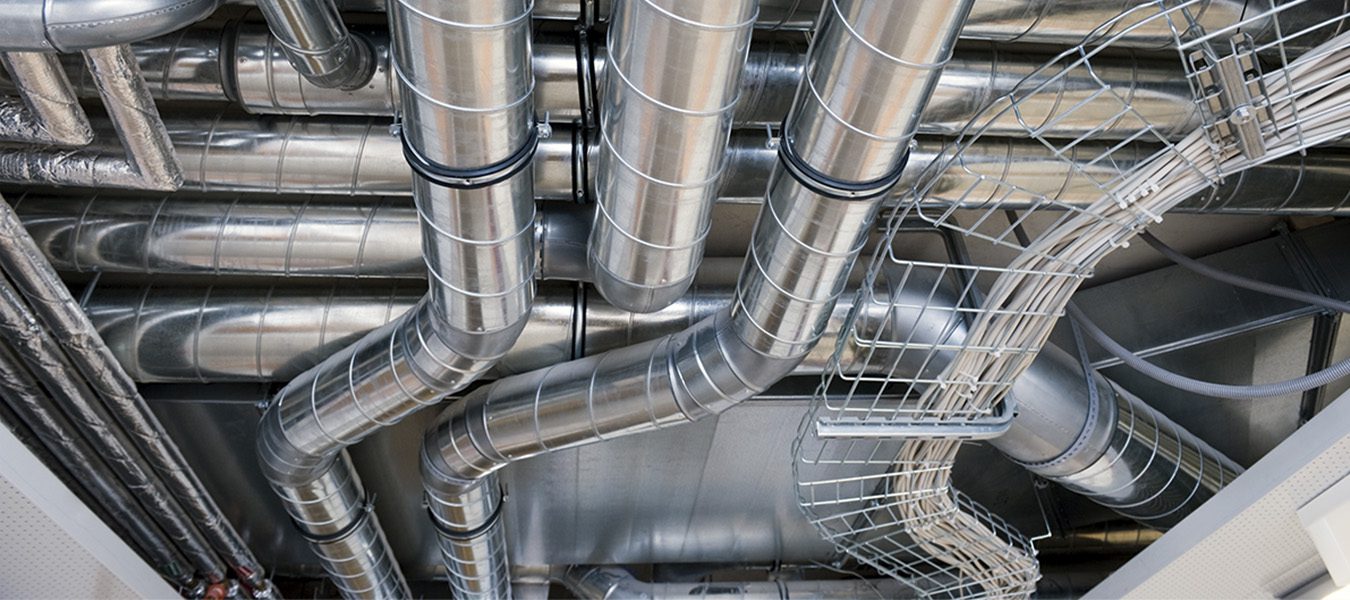
Proper airflow is essential for maintaining safe, efficient, and comfortable indoor environments. Radon mitigation supplies play a vital role in ensuring that airflow systems not only reduce harmful gas levels but also maintain consistent ventilation throughout a space. Reliable airflow depends on high-quality installation parts and careful attention to system design, allowing air to move freely, reducing pollutants, and maintaining optimal indoor conditions. Understanding which components contribute most to effective airflow helps homeowners and professionals achieve lasting results and avoid common performance issues.
Key Components of Airflow Systems
Airflow systems rely on a combination of components that work together to deliver consistent performance and energy efficiency. Each part must be installed correctly to prevent leaks, blockages, or inefficiencies that could compromise airflow. Ductwork quality and proper sealing prevent air loss and maintain system pressure. Air vents and registers control the direction and volume of airflow in each room. Filters and filter housings protect equipment from dust and debris while improving air quality. Fans and blowers move air efficiently through the system, and dampers and control systems allow precise adjustment of airflow to match specific needs. Proper selection and maintenance of each component ensure that airflow remains consistent and effective.
-
Ductwork quality and sealing
-
Air vents and registers
-
Filters and filter housings
-
Fans and blowers
-
Dampers and control systems
Essential Parts for Radon Mitigation
Radon mitigation systems require specialized components to maintain safe airflow and reduce radon concentrations effectively. Radon fan units generate the pressure needed to draw radon gas out of the soil and vent it safely. PVC piping and connectors create sealed pathways that prevent leakage and ensure smooth airflow. Vent stacks and termination points provide safe discharge points above the roofline. Sealing and caulking materials close gaps and prevent air infiltration. Pressure monitoring devices allow continuous assessment of system performance, ensuring consistent results over time. Using high-quality parts designed specifically for radon mitigation enhances system efficiency and long-term reliability.
-
Radon fan units
-
PVC piping and connectors
-
Vent stacks and termination points
-
Sealing and caulking materials
-
Pressure monitoring devices
Material Selection and Compatibility
Selecting the right materials is critical for reliable airflow. Metal ductwork offers durability and minimal air resistance, while flexible ducts provide easier installation in tight spaces. Fan efficiency and noise levels vary by model, and choosing the correct blower size prevents excessive energy use and reduces wear on components. Filter types must match system airflow rates to avoid pressure drops and maintain air quality. Compatibility among pipes, connectors, and sealing materials ensures there are no leaks that could reduce airflow performance or compromise radon mitigation. Material choice directly impacts the longevity of the system and the consistency of airflow throughout the building.
Installation Best Practices
Proper installation techniques safeguard system performance and prevent operational issues. Ducts should be routed to minimize bends and maintain smooth airflow. Fans and blowers must be securely mounted to prevent vibration and noise. Connections between pipes and vents need airtight sealing to maintain system pressure. Filters should be installed according to manufacturer guidelines and replaced on schedule to maintain efficiency. Monitoring equipment such as pressure gauges should be positioned for easy access and regular inspection. Following installation best practices ensures that each component works together effectively, resulting in reliable airflow and a safe environment.
Maintenance and Inspection
Regular inspection and maintenance are critical to preserve airflow reliability. Ducts require cleaning to remove dust and debris that can obstruct airflow. Fans and blowers need lubrication and inspection for mechanical wear. Filters must be replaced to prevent airflow restriction. Radon systems benefit from periodic pressure checks to confirm that airflow is maintained. Monitoring devices can indicate early signs of system issues, allowing prompt corrective action. Proper maintenance extends the lifespan of the system, maintains energy efficiency, and ensures safe indoor air quality.
Common Mistakes to Avoid
Mistakes in part selection, installation, and maintenance can significantly reduce system effectiveness. Incorrectly sized ducts restrict airflow and increase energy consumption. Using low-quality or incompatible materials may lead to leaks, blockages, or premature failure. Improper sealing around vents or pipe connections compromises pressure and reduces overall system performance. Skipping routine inspections and maintenance allows small issues to grow into significant problems, reducing airflow efficiency and potentially compromising radon mitigation efforts. Avoiding these mistakes ensures reliable and consistent airflow results.
Conclusion
Reliable airflow depends on selecting high-quality installation parts, proper material compatibility, careful installation, and consistent maintenance. Radon mitigation supplies play a crucial role in systems designed to reduce harmful gases while maintaining proper ventilation. Each component, from ductwork to fans and monitoring devices, contributes to overall system performance. Following recommended installation practices and performing regular inspections guarantees that airflow remains consistent, energy-efficient, and safe. Prioritizing the right parts and maintenance strategies ensures that indoor spaces remain comfortable, healthy, and well-ventilated for years to come.
FAQs
What are the most critical parts for maintaining airflow efficiency?
Proper ductwork, vents, filters, fans, and dampers are essential for consistent airflow. High-quality materials and correct installation are key factors.
How do radon mitigation supplies impact airflow results?
Radon fan units, PVC piping, vent stacks, and sealing materials ensure safe removal of radon gas while maintaining consistent airflow throughout the system.
How often should airflow systems be inspected and maintained?
Regular inspections should occur at least twice a year, with filters replaced as recommended and fans or ducts cleaned to prevent blockages or pressure loss.
What mistakes reduce airflow reliability in ventilation systems?
Using incorrectly sized components, low-quality materials, improper sealing, and neglecting maintenance can all compromise airflow and reduce system performance.