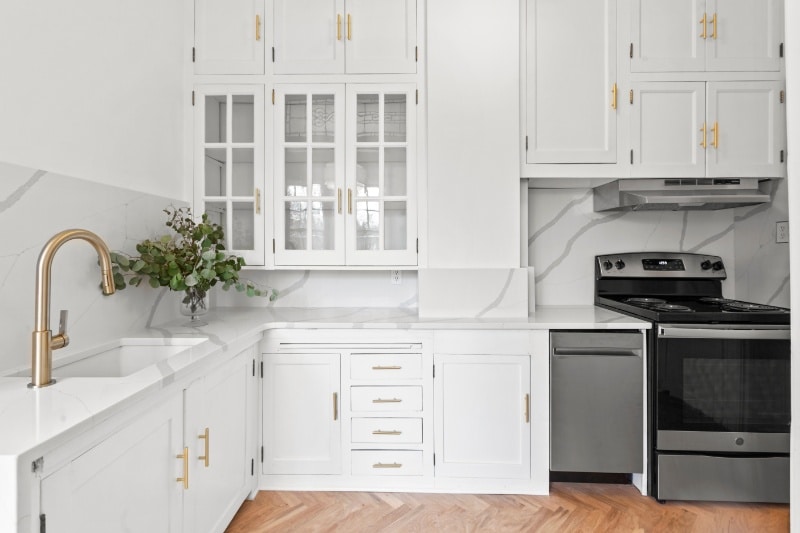
Cabinets are an essential part of any home, combining functionality with style, and proper care ensures they maintain their charm and durability over time. High-quality finishes like Oxford toffee cabinets not only elevate the kitchen’s look but also require attention to detail in maintenance to preserve their rich texture and smooth surface. Dirt, moisture, and improper handling gradually dull the finish, weaken hardware, and shorten the cabinet’s lifespan. Maintaining cabinets goes beyond routine cleaning; it involves thoughtful practices that protect them from everyday wear and environmental factors. Implementing consistent care routines ensures that cabinets remain attractive and functional, making them a long-lasting investment in your home. Following these practical tips will guide homeowners in keeping cabinets looking new for years.
Regular Cleaning Techniques
Maintaining cabinets starts with proper cleaning, which prevents the buildup of grease, dust, and other residues that can deteriorate surfaces over time. Adopting gentle cleaning practices ensures the finish remains intact and the wood or laminate does not suffer scratches or discoloration.
-
Dust cabinets weekly using a soft microfiber cloth to remove particles without scratching the surface.
-
Wipe spills immediately using a damp cloth to prevent staining and water damage.
-
Use mild, non-abrasive cleaning solutions designed for cabinetry to maintain the original sheen.
-
Clean handles, knobs, and edges regularly to prevent grime accumulation, which can dull the finish and weaken hardware.
-
Avoid excess water on wooden cabinets as it can seep into seams and cause warping or swelling.
Proper Handling and Usage
Daily habits significantly impact the longevity of cabinets, and careful handling reduces wear and tear while preventing visible damage.
-
Avoid slamming doors and drawers, as repeated impact can loosen hinges and damage the cabinet structure.
-
Organize contents to distribute weight evenly, preventing sagging shelves or warping.
-
Use coasters or trays inside cabinets to contain liquids and prevent staining or odor absorption.
-
Open drawers and doors gently, avoiding pressure on handles that could loosen screws or finish.
-
Refrain from hanging heavy items on handles, as it can strain hardware and cause cracks.
Protecting Cabinets from Environmental Damage
Cabinets are highly sensitive to environmental conditions, and proper precautions can prevent damage caused by heat, moisture, and sunlight. Kitchens are particularly prone to humidity, which can warp wooden cabinets or peel finishes. Maintaining proper airflow with exhaust fans reduces moisture buildup and prevents mold growth. Cabinets positioned near windows are exposed to UV light, which can fade finishes over time; using window films or curtains can limit this exposure. Consistent room temperature helps maintain wooden cabinet integrity, while avoiding proximity to stoves or radiators reduces heat-related damage. Regularly checking for condensation behind cabinets and adjusting ventilation systems ensures cabinets remain stable and visually appealing. Maintaining ideal environmental conditions complements regular cleaning and handling, reinforcing long-term cabinet protection.
Periodic Maintenance and Repairs
Scheduling periodic inspections and minor repairs prevents small issues from becoming major problems. Hardware such as hinges, drawer slides, and handles can loosen with repeated use, so checking and tightening screws maintains structural integrity. Applying polish or wood conditioner periodically nourishes wooden surfaces and enhances their natural appearance. Minor scratches and chips can be lightly sanded and refinished to avoid spreading damage, preserving both appearance and function. Repairing worn seals or replacing damaged parts early avoids larger replacements, reducing maintenance costs. Addressing these issues proactively ensures that cabinets remain attractive and structurally sound, extending their lifespan without compromising aesthetics.
Choosing the Right Cleaning Products
Selecting appropriate cleaning products is crucial for maintaining cabinet surfaces without causing harm. Harsh chemicals or abrasive cleaners strip protective finishes and can leave permanent marks on wood or laminate. pH-balanced solutions or manufacturer-recommended cleaners are ideal for safe maintenance. Testing new products in inconspicuous areas ensures compatibility with the finish and prevents discoloration or streaking. Using soft cloths or sponges instead of scrubbing pads reduces the risk of scratches. Incorporating natural cleaning solutions like diluted vinegar or mild soap with water can safely remove grease and grime without damaging the surface. Knowledgeable product selection reinforces regular cleaning routines, keeping cabinets fresh and polished.
Professional Help and Preventive Care
Professional assistance is sometimes necessary to maintain cabinets in optimal condition, particularly for deep cleaning, refinishing, or major repairs. Experts can address stubborn stains, worn finishes, and structural issues that routine cleaning cannot resolve. Scheduling regular maintenance inspections helps identify hidden damage early and provides advice for preventive measures tailored to cabinet materials. Investing in protective products such as conditioners, wax, or sealants recommended by manufacturers preserves the finish and prevents long-term damage. Preventive care includes proper installation of moisture barriers, careful handling, and adherence to manufacturer guidelines, all contributing to prolonged cabinet life. Combining professional expertise with daily maintenance creates a comprehensive approach to cabinet care, ensuring they remain functional and attractive over the years.
Conclusion
Cabinet longevity relies on a combination of careful cleaning, proper handling, environmental protection, timely maintenance, and thoughtful product selection. Following structured routines prevents common issues such as warping, discoloration, scratches, and hardware damage. Attention to daily usage, such as gentle opening and proper organization, further supports durability. Professional inspections and periodic refinishing extend the life of high-quality finishes like Oxford toffee cabinets. Homeowners who prioritize preventive care and corrective measures will enjoy cabinets that retain their original beauty and functionality for decades. Implementing these step-by-step strategies transforms cabinet maintenance from a chore into a sustainable habit, ensuring the investment in quality cabinetry continues to shine.
FAQs
What is the best way to clean cabinets without damaging them?
Use a soft cloth or microfiber duster and mild, non-abrasive cleaning solutions. Wipe spills immediately and avoid excessive water on wooden surfaces.
How often should cabinet hardware be checked?
Hardware such as hinges, drawer slides, and handles should be inspected every few months to ensure they are tight and functioning properly.
Can sunlight damage cabinet finishes?
Yes, prolonged exposure to UV light can fade finishes. Using curtains, window films, or positioning cabinets away from direct sunlight helps protect surfaces.
Is professional cabinet maintenance necessary?
Professional help is recommended for deep cleaning, refinishing, and structural repairs. Regular inspections can identify issues early and prolong cabinet life.