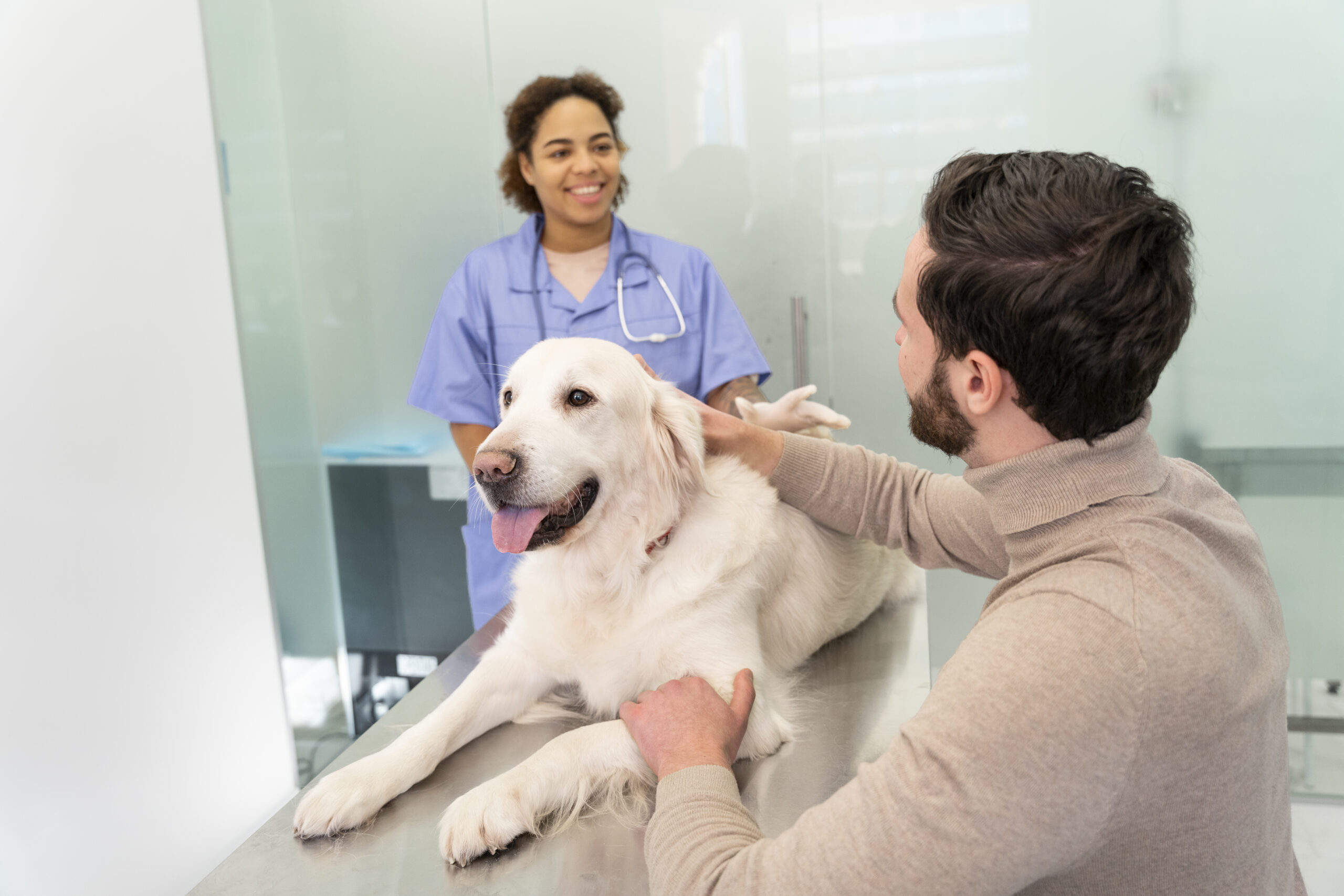
Vet visits are an essential part of keeping your dog healthy — but for many pets (and their owners), they can also be a major source of stress. Strange smells, unfamiliar people, and past uncomfortable experiences can make dogs anxious before they even walk through the clinic door. The good news? With the right preparation and approach, you can help your dog feel much calmer and more relaxed during vet visits.
Here’s how to make those appointments easier for both of you.
1. Understand Why Dogs Get Nervous at the Vet
Dogs experience the world through their senses, especially smell and sound. A veterinary clinic is full of unfamiliar scents, other animals, medical equipment noises, and new people touching them. Some dogs also associate the clinic with past pain, like injections or treatments, which increases fear over time.
Recognizing that your dog’s anxiety is based on confusion or past experiences, not “bad behavior,” helps you respond with patience and support.
2. Start Preparing Before the Appointment
A calm vet visit begins long before you leave the house.
Get Your Dog Used to Handling
Vets need to touch your dog’s paws, ears, mouth, and body. Practice gentle handling at home by:
- Touching their paws and ears briefly
- Lifting their lips to look at their teeth
- Rewarding calm behavior with treats and praise
This helps your dog feel less surprised or threatened during the exam.
Take Practice Car Rides
If your dog only rides in the car to go to the vet, they may start associating car trips with stress. Take short, fun drives to parks or other enjoyable places so the car doesn’t automatically mean something scary.
3. Bring Comfort From Home
Familiar items can make a big difference in an unfamiliar environment.
- Bring your dog’s favorite blanket or towel
- Pack high-value treats they love
- Bring a favorite toy if it helps them feel secure
Smells from home can be very comforting and help lower anxiety levels in the waiting room and exam room.
4. Stay Calm Yourself
Dogs are experts at reading human emotions. If you’re tense, worried, or frustrated, your dog will likely pick up on it and feel more anxious, too.
Try to:
- Speak in a soft, cheerful voice
- Avoid scolding or forcing them harshly
- Move slowly and confidently
Even if you feel nervous, acting relaxed can help your dog feel safer.
5. Plan Your Vet Visit Smartly
Crowded waiting rooms with barking dogs can overwhelm anxious pets. Planning before the vet visit helps both pet owners and pets.
If possible:
- Ask for a quieter appointment time (early morning or mid-afternoon often works well)
- Wait in your car until the clinic is ready for you
- Let the staff know in advance that your dog is anxious
Many clinics are happy to accommodate nervous pets with shorter wait times or separate spaces.
6. Use Positive Reinforcement
Treats are powerful tools for changing your dog’s emotional response.
Give small treats:
- When entering the clinic
- While sitting in the waiting area
- During gentle handling by the vet (if allowed)
This helps your dog associate the clinic with good things instead of fear. Praise and gentle petting also reinforce calm behavior.
7. Try Calming Techniques
Some dogs benefit from additional calming support.
Exercise Before the Visit
A short walk or play session before the appointment can help burn off nervous energy and make your dog more relaxed.
Calming Products
Talk to your vet about:
- Calming sprays or pheromone collars
- Anxiety wraps or calming vests
- Natural calming supplements (only with professional guidance)
These tools don’t replace training, but can take the edge off for very anxious dogs.
8. Build Positive Vet Experiences Over Time
If your dog only visits the clinic when they’re sick or in pain, anxiety can grow. Instead, try to create neutral or positive visits.
Ask your clinic if you can stop by occasionally, just to:
- Walk in, get a treat from the staff, and leave
- Sit in the lobby for a few minutes without an exam
These “happy visits” help your dog learn that not every trip leads to something uncomfortable.
Some dogs improve quickly, while others need more time. Celebrate small wins — like entering the clinic without pulling away or staying calm on the exam table for a few seconds longer than last time.
If your dog’s fear is severe, speak with your veterinarian. In some cases, professional training or anti-anxiety medication may be recommended to protect your dog’s emotional well-being.
Helping your dog stay calm at the vet isn’t about eliminating fear overnight — it’s about building trust, positive associations, and a sense of safety step by step. With preparation, patience, and support, vet visits can become far less stressful and much more manageable for both you and your furry companion.
For pet owners in the UAE, scheduling a vet visit in Dubai is a safe and dependable choice for your dog’s care. A calmer dog means better exams, smoother treatments, and a healthier, happier life overall.