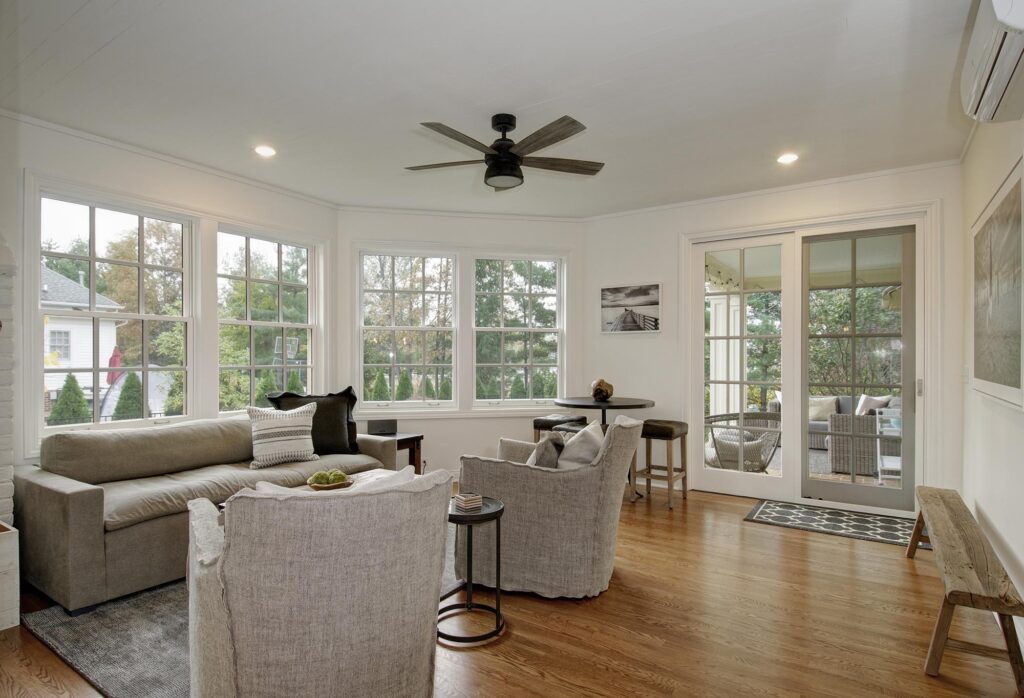
Renovating multiple rooms simultaneously can be a complex undertaking requiring careful planning, coordination, and execution. Engaging the Best Luxury Remodeling Company ensures that each room receives professional attention while maintaining cohesion across the entire project. Multi-room renovations demand a structured approach to avoid delays, budget overruns, and design inconsistencies. Every decision, from planning to finishing touches, contributes to the overall outcome. Establishing a clear vision, selecting the right professionals, managing resources, and monitoring construction phases are critical to ensuring a smooth and successful renovation experience. By following a step-by-step approach, homeowners can transform their spaces efficiently while minimizing stress and unexpected complications.
Detailed Planning and Vision
Establishing a comprehensive plan for each room sets the foundation for a successful renovation. Detailed planning identifies the purpose, style, and function of each space and ensures that design decisions align with overall home aesthetics. Collaboration between homeowners, designers, and contractors helps clarify expectations and priorities. Proper planning avoids last-minute changes that can disrupt timelines and budgets. Considering the layout, furniture placement, color schemes, and lighting requirements at the planning stage ensures a cohesive outcome. Effective planning also integrates practical elements such as storage solutions, electrical requirements, and accessibility needs. Properly defined objectives help maintain focus during execution and guide all subsequent decisions.
Key planning steps include:
-
Identify specific goals for each room
-
Decide on a cohesive design theme across rooms
-
Establish budget allocations for individual spaces
-
Create a realistic project timeline
Selecting the Right Professionals
The quality and efficiency of a multi-room renovation depend heavily on the expertise of professionals involved. Architects, interior designers, and contractors bring specialized skills to the project, translating concepts into reality. Choosing the right team ensures adherence to timelines, consistent design quality, and compliance with building codes. Professionals with proven experience in multi-room renovations understand logistical challenges and provide practical solutions to maintain workflow continuity. Clear communication channels between team members and homeowners reduce misunderstandings and facilitate prompt problem-solving.
Selection criteria include:
-
Check past multi-room project experience
-
Verify licenses and certifications
-
Review client testimonials and before/after photos
-
Ensure effective communication and availability
Budgeting and Cost Management
Creating a detailed budget is essential for avoiding financial surprises. Multi-room renovations often involve varying costs for materials, labor, permits, and unforeseen challenges. Allocating a contingency fund helps cover unexpected expenses without disrupting the project. Accurate cost tracking and periodic reviews allow homeowners to make informed adjustments as the renovation progresses. Transparent communication with contractors about material choices, labor rates, and timelines ensures adherence to the budget. Detailed documentation of purchases, invoices, and progress reports provides clarity and accountability throughout the renovation process.
Scheduling and Coordination
Efficient scheduling is vital to prevent overlaps, idle periods, and delays. Coordinating contractors, deliveries, and inspections requires careful attention to the sequence of work. Creating a phased timeline for each room ensures that high-priority spaces receive immediate attention without compromising others. Monitoring the schedule allows adjustments to accommodate unexpected changes such as delivery delays or additional work requirements. Consistent communication with all parties involved keeps the project on track and maintains a steady workflow. Proper coordination also minimizes disruptions to daily routines and optimizes resource utilization.
Material Selection and Procurement
Selecting the right materials significantly influences the quality and longevity of a renovation. Durable, aesthetically pleasing materials enhance the value and comfort of the renovated spaces. Planning material procurement in advance prevents delays caused by backorders or shipping issues. Considering factors such as maintenance, wear resistance, and compatibility with the overall design ensures a seamless appearance across rooms. Working with suppliers who offer reliable delivery schedules and quality guarantees simplifies the procurement process. Early acquisition of materials also allows time for inspections and quality checks, reducing the likelihood of last-minute substitutions.
Managing Construction Phases
Proper sequencing of construction activities ensures smooth progress across multiple rooms. Prioritizing structural work such as plumbing, electrical wiring, and framing establishes a stable foundation for interior finishes. Scheduling tasks such as painting, flooring, and cabinetry in a logical sequence reduces rework and interference between teams. Regular on-site supervision allows prompt detection of issues and ensures adherence to the design plan. Clear communication with subcontractors prevents delays and conflicts between trades. Monitoring the pace of work and maintaining documentation of progress enables efficient decision-making and timely adjustments, preserving both schedule and quality standards.
Quality Control and Problem-Solving
Quality control is crucial for maintaining the standards set during the planning phase. Periodic inspections at key stages verify that work meets design specifications and building regulations. Identifying potential issues early prevents costly rework and ensures consistent results throughout the renovation. Open communication between homeowners and contractors facilitates quick resolution of unexpected challenges, whether related to structural adjustments, material substitutions, or finishing details. Maintaining a systematic approach to quality control instills confidence that every aspect of the renovation aligns with the envisioned outcome.
Finishing Touches and Final Walkthrough
Finalizing a multi-room renovation involves attention to details such as lighting installation, flooring completion, wall finishes, and fixture placement. Completing these finishing touches enhances the overall aesthetic appeal and functionality of the spaces. A thorough walkthrough with contractors ensures that all work aligns with design expectations and quality standards. Addressing minor corrections or adjustments during this stage prevents lingering issues after project completion. Proper documentation of completed work, warranties, and maintenance instructions supports long-term satisfaction and preserves the investment in the renovation.
Conclusion
Executing a multi-room renovation smoothly requires careful planning, professional expertise, diligent budgeting, and consistent oversight. Defining objectives for each room, selecting qualified professionals, and managing schedules effectively minimizes disruptions and ensures high-quality results. Attention to material selection, phased construction management, and quality control maintains consistency and durability throughout the home. Completing finishing touches with precision and conducting a final walkthrough guarantees a cohesive, polished outcome. Following these structured steps allows homeowners to achieve a seamless renovation experience that meets expectations, stays on budget, and delivers long-lasting satisfaction.
FAQs
How can homeowners avoid delays during multi-room renovations?
Detailed planning, effective scheduling, and clear communication with professionals reduce the risk of delays and ensure that each room progresses on time.
What role does budgeting play in multi-room renovations?
A well-structured budget helps allocate funds appropriately, track expenses, and manage unforeseen costs without compromising project quality.
Why is selecting experienced professionals crucial for multi-room renovations?
Experienced contractors, designers, and architects handle complex logistics, maintain consistent quality, and solve problems efficiently across multiple rooms.
What are the key steps for maintaining quality throughout the renovation?
Regular inspections, proactive problem-solving, monitoring construction phases, and addressing finishing touches carefully ensure high-quality results.