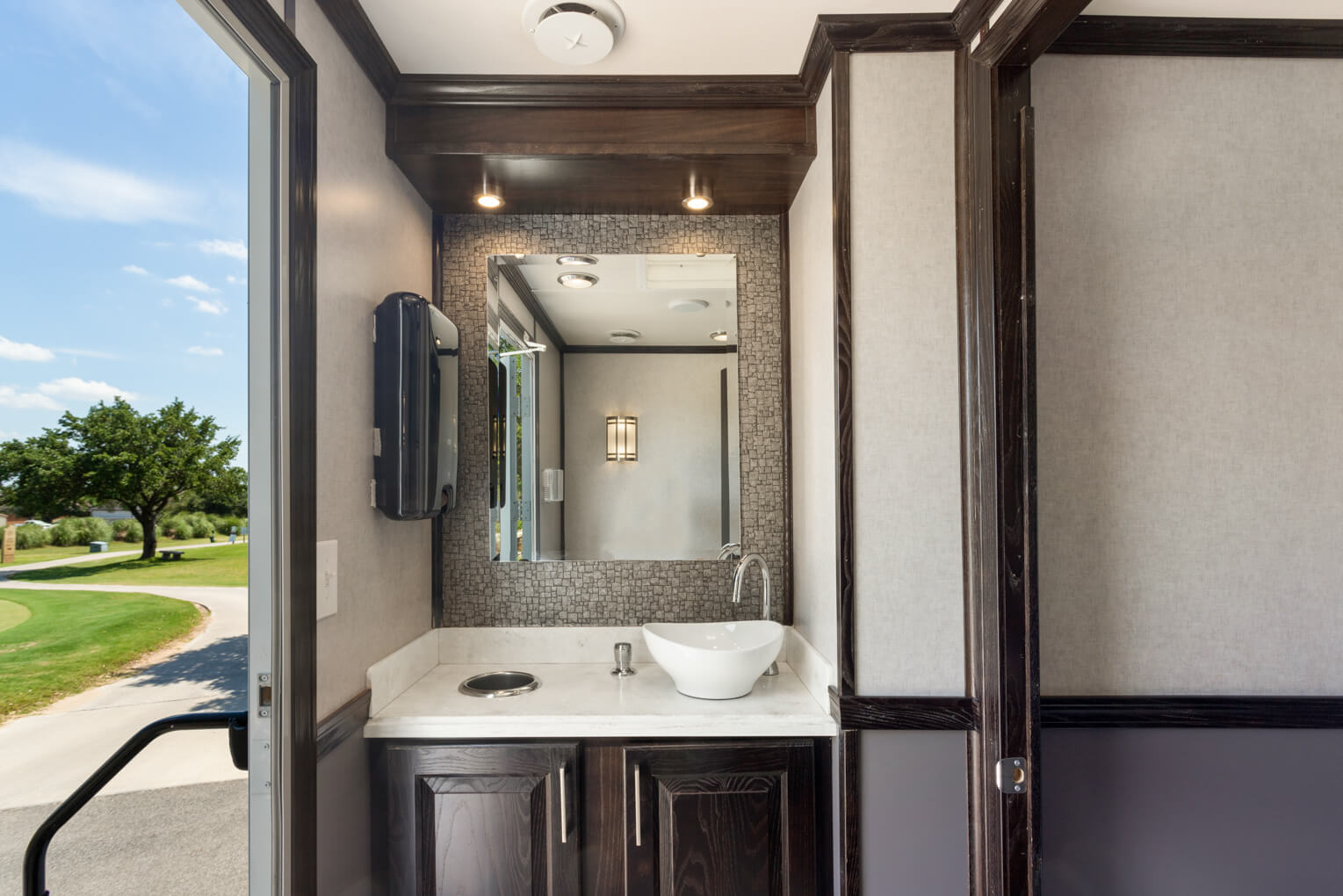
Outdoor bathrooms are essential for events, parks, construction sites, and recreational areas, providing convenience where permanent facilities are unavailable. Choosing the right option, such as luxury portable restrooms Fresno CA, ensures both comfort and hygiene for users. Comfort and accessibility depend on several critical factors, including location, design, sanitation, and safety. Considering these elements carefully can transform a temporary outdoor bathroom into a facility that meets user expectations and accommodates diverse needs, from children to individuals with mobility challenges. The following steps outline the key factors that influence comfort and accessibility in outdoor bathrooms.
Location and Placement
Strategic placement determines ease of access, user safety, and overall experience. Location should minimize distance from high-traffic areas while remaining discreet enough to preserve privacy. Accessibility from main areas, level and stable ground, shelter from weather conditions, and adequate lighting are essential elements to consider. Proper placement prevents accidents, avoids congestion, and ensures that bathrooms remain functional under varying environmental conditions. Additionally, placement affects maintenance logistics and service access, making it easier for staff to clean and restock supplies regularly.
- Accessibility from main areas
- Level and stable ground
- Shelter from weather conditions
- Adequate lighting for safety
Design and Layout
Design directly affects usability and comfort. Bathrooms must accommodate different body types, mobility aids, and user needs. Stall sizes should allow free movement, doors should be wide enough for wheelchairs, and layouts should support efficient traffic flow. Interior features like handrails, grab bars, non-slip flooring, and clearly marked signage contribute to safety and convenience. Thoughtful layout ensures users can move comfortably, access sinks and toilet facilities easily, and maintain personal hygiene without strain or confusion.
-
Spacious interior for movement
-
Handrails and grab bars
-
Non-slip flooring
-
Clear signage and instructions
Sanitation and Hygiene
Cleanliness is a key determinant of comfort. Materials should be durable, resistant to stains, and easy to disinfect. Adequate ventilation prevents odors and reduces the risk of airborne bacteria. Regular servicing, including waste removal, surface cleaning, and replenishing of soap and paper supplies, maintains hygiene standards. Hand sanitizer stations and touchless features like automatic flush systems improve user confidence in sanitation. Prioritizing cleanliness ensures that users feel safe and comfortable while using the facility.
Accessibility Features
Outdoor bathrooms must meet accessibility standards to accommodate all users. ADA-compliant ramps, wide doors, lowered sinks, and appropriately positioned toilets support individuals with limited mobility. Families with small children benefit from changing tables and child-friendly fixtures. Accessibility features enhance usability for elderly users and those with disabilities while promoting inclusivity. Ensuring all features are clearly marked and intuitive reduces confusion and improves overall user experience.
Climate and Weather Considerations
Weather conditions affect comfort and structural integrity. Shade, windbreaks, and protective coverings safeguard users from sun, rain, and wind. Insulated walls, heating units, or cooling fans help maintain a comfortable interior temperature during extreme conditions. Positioning units to avoid flooding, standing water, or excessive sun exposure preserves cleanliness and usability. Addressing climate considerations prevents discomfort, minimizes maintenance challenges, and extends the lifespan of outdoor facilities.
Privacy and Safety
Privacy measures greatly influence comfort and user satisfaction. Sturdy walls, secure locks, and soundproofing provide reassurance. Visibility should be managed to prevent external exposure while maintaining safety. Well-lit surroundings, non-slip surfaces, and emergency access measures reduce risk. Safety features such as panic buttons or emergency contact information provide an added layer of security. Ensuring privacy and safety encourages usage while maintaining a positive perception of the facility.
Technology and Modern Amenities
Modern features enhance convenience and comfort. Motion-sensor lighting, automatic faucets, touchless flush systems, and air fresheners minimize physical contact and reduce hygiene risks. Temperature controls and ventilation systems maintain pleasant conditions regardless of external weather. Technology reduces maintenance burdens and improves user satisfaction, making outdoor bathrooms more comparable to permanent indoor facilities. Incorporating modern amenities also signals quality and reliability, elevating user confidence in the service.
Maintenance and Staffing
Regular maintenance is crucial for sustained comfort and accessibility. Daily checks, cleaning schedules, and timely restocking of supplies prevent dissatisfaction and complaints. Staff trained in proper servicing protocols can identify and address issues proactively, such as malfunctioning toilets or plumbing leaks. Clear communication between event organizers or facility managers and maintenance personnel ensures smooth operation and user convenience. Consistent attention to maintenance preserves hygiene standards and overall functionality.
Material Selection and Durability
Durable materials withstand frequent use and environmental stressors. Non-slip flooring, corrosion-resistant metal fixtures, and easy-to-clean surfaces reduce long-term repair costs and ensure continued accessibility. Material choice also impacts comfort; softer surfaces, ergonomic fixtures, and sound-dampening materials improve the overall experience. Selecting high-quality materials balances durability with user satisfaction and contributes to a professional appearance.
User Flow and Capacity Planning
Planning for the number of users prevents overcrowding and long wait times. Facility capacity should match expected traffic during peak periods. Well-planned user flow considers entry and exit points, directional signage, and spacing between stalls. Efficient capacity planning reduces stress, enhances accessibility, and ensures a consistent level of comfort for all visitors.
Lighting and Visual Cues
Lighting affects both safety and comfort. Bright, well-distributed lighting prevents accidents and improves usability during nighttime hours. Visual cues, such as contrasting colors for doors, handles, and signage, help guide users efficiently. Adequate lighting also deters misuse and enhances the perception of cleanliness and security.
Conclusion
Comfort and accessibility in outdoor bathrooms rely on careful planning and attention to detail. Location, design, sanitation, accessibility features, weather considerations, privacy, technology, maintenance, materials, user flow, and lighting all play integral roles. Integrating these factors ensures users experience convenience, safety, and satisfaction. Prioritizing these elements transforms temporary outdoor facilities into dependable and welcoming environments that meet diverse needs and maintain a professional standard.
FAQs
What makes outdoor bathrooms comfortable for users?
Comfort depends on design, spacing, climate control, sanitation, privacy, and accessibility features that accommodate all users.
How can outdoor bathrooms be made accessible for people with disabilities?
Wide doors, ramps, handrails, lowered sinks, ADA-compliant toilets, and clear signage ensure accessibility.
Why is maintenance important for outdoor bathroom comfort?
Regular cleaning, restocking supplies, and repairing fixtures preserve hygiene, functionality, and user satisfaction.
What role does technology play in outdoor bathroom comfort?
Touchless faucets, motion-sensor lights, automatic flush systems, and ventilation improve hygiene, reduce physical contact, and maintain a pleasant environment.