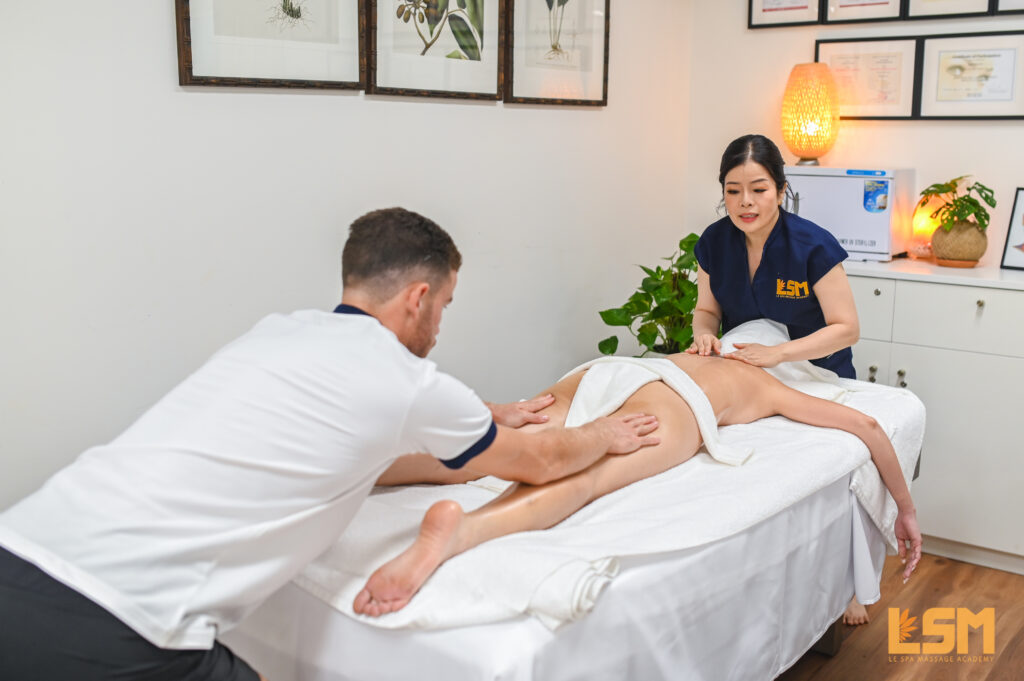
Lower back pain affects millions globally and disrupts daily life, work, and sleep. Non-invasive solutions like massage therapy offer significant relief without medication or surgery. Professional programs such as a Lomi Lomi Massage Course provide practical knowledge of techniques that target tension, reduce discomfort, and improve circulation. These methods help relax muscles, stimulate the nervous system, and restore mobility. Addressing lower back pain through massage also supports posture, reduces stiffness, and promotes overall well-being, making it a safe and effective option for both acute and chronic conditions.
Lower Back Pain
Lower back pain can arise from poor posture, sedentary lifestyle, repetitive strain, or underlying medical conditions such as herniated discs or sciatica. The intensity may range from mild stiffness to severe pain that limits movement and daily tasks. Identifying the cause of pain is essential to select the most effective massage technique. Massage therapy increases blood flow, relaxes tight muscles, and stimulates natural healing. Consistent sessions can improve flexibility, reduce inflammation, and restore function. Understanding the source and type of pain ensures targeted relief that supports long-term spinal health.
Swedish Massage for Relaxation
Swedish massage is widely recognized for relieving lower back tension. It uses long, gliding strokes, kneading, and circular motions to improve circulation, release tight muscles, and reduce stiffness. The technique is gentle yet effective, ideal for tension-related pain caused by prolonged sitting or stress. Sessions focus on the lower back and surrounding areas to relax muscles gradually. Swedish massage also promotes relaxation and enhances mental well-being, creating an overall sense of calm. It’s often recommended as a starting point for individuals new to massage therapy or those experiencing mild discomfort.
Deep Tissue Massage for Chronic Pain
Deep tissue massage targets deeper muscle layers and connective tissue, making it ideal for chronic lower back pain. Firm pressure and slow strokes release knots, adhesions, and trigger points that contribute to pain and restricted mobility. This technique also improves circulation, reduces inflammation, and supports better posture. While it may cause temporary soreness, the long-term benefits include increased flexibility and decreased stiffness. Deep tissue massage is particularly effective for individuals experiencing persistent discomfort or repetitive strain from physical activity, helping to restore muscle function and promote lasting relief in the lower back region.
Trigger Point Therapy for Targeted Relief
Trigger point therapy identifies specific tight spots in muscles that refer pain to the lower back, hips, or legs. By applying firm pressure to these points, therapists release tension and restore normal function. The therapy improves localized pain and prevents discomfort from returning by correcting muscular imbalances. Regular sessions enhance muscle performance and flexibility, offering noticeable relief for chronic lower back issues. Trigger point therapy is often combined with stretching or other massage techniques to maximize results, providing targeted relief for individuals struggling with persistent or concentrated areas of tension in the lower back.
Sports Massage for Active Lifestyles
Sports massage combines Swedish and deep tissue techniques, emphasizing stretching and muscle manipulation. It is especially effective for athletes or individuals with active routines. This method reduces lower back pain by improving flexibility, correcting muscular imbalances, and accelerating recovery from strain or injury. It also helps prevent future pain by strengthening muscles and increasing mobility. Sports massage addresses both acute and chronic issues, supporting overall performance and reducing discomfort. Regular sessions combined with proper warm-up and stretching routines make it an essential practice for active people seeking effective lower back support and pain prevention.
Shiatsu Massage and Acupressure Benefits
Shiatsu massage applies finger pressure to energy points along the body to release tension and restore balance. This Japanese technique alleviates lower back pain by relaxing tight muscles, promoting circulation, and enhancing energy flow. Combining Shiatsu with acupressure allows therapists to target pain more precisely, stimulating the body’s natural healing processes. People often report reduced stiffness, improved posture, and increased mobility after consistent sessions. Shiatsu therapy also supports mental relaxation and reduces stress levels, making it an effective holistic approach for individuals seeking both physical relief and overall well-being in lower back care.
Hot Stone Massage for Soothing Relief
Hot stone massage uses smooth, heated stones applied to the lower back and surrounding muscles. The warmth penetrates deep tissues, promoting relaxation, loosening tight muscles, and improving circulation. This method is particularly helpful for chronic stiffness and tension-related pain. Combining heat with massage strokes enhances comfort while providing both physical relief and stress reduction. Hot stone therapy also stimulates the nervous system, encouraging the body to release natural pain-relieving chemicals. It is suitable for individuals seeking a calming experience alongside therapeutic benefits, making it one of the most soothing options for lower back pain management.
Myofascial Release for Structural Alignment
Myofascial release targets fascia, the connective tissue surrounding muscles that can restrict movement and cause pain. Gentle, sustained pressure stretches the fascia, improving flexibility and alignment. This method reduces tension, promotes better posture, and enhances overall mobility. People with chronic lower back pain or postural issues often find myofascial release effective in relieving discomfort and supporting long-term spinal health. The technique also complements other massage methods by addressing structural imbalances and improving overall body mechanics. Consistent therapy helps maintain lower back function while preventing recurrence of stiffness or muscle tightness.
Key Points to Consider When Choosing a Massage Method
- Type of pain (acute or chronic)
- Pressure tolerance during therapy
- Frequency and duration of sessions
- Therapist expertise and technique experience
- Integration with other therapies like stretching or physical therapy
Considering these factors ensures safe, effective treatment tailored to individual needs. Selecting the right method maximizes benefits, minimizes discomfort, and supports long-term relief. Proper guidance and consistent sessions play a key role in achieving optimal results while addressing the unique aspects of lower back pain.
Combining Massage with Lifestyle Practices
Massage therapy works best alongside habits that maintain back health. Regular exercise, posture awareness, and ergonomic adjustments prevent recurring pain. Stretching, core strengthening, and hydration complement massage benefits by enhancing flexibility and muscle support. Stress management, proper sleep, and consistent physical activity improve recovery and overall well-being. Combining lifestyle practices with professional massage provides a holistic approach, reducing the likelihood of future lower back problems. This integrated approach supports both immediate relief and long-term spinal health, creating a sustainable path toward comfort and mobility.
Safety Considerations
Massage is generally safe, but consultation with a healthcare provider is recommended for conditions such as herniated discs, osteoporosis, or recent surgery. Skilled therapists can adapt techniques to individual needs, ensuring safe and effective treatment. Monitoring discomfort during sessions is crucial, as excessive pain may indicate a need for adjustment. Proper communication with the therapist and awareness of physical limits help prevent injury. When approached carefully, massage offers a non-invasive, supportive method to relieve lower back pain while promoting overall health and functional mobility.
Conclusion:
Effective management of lower back pain depends on selecting the right massage method for the underlying cause. Swedish, deep tissue, trigger point, sports, Shiatsu, hot stone, and myofascial release techniques each provide unique benefits. Combining professional massage therapy with healthy lifestyle habits enhances relief, restores mobility, and supports spinal health. Programs like the Lomi Lomi Massage Course equip learners with practical skills to address lower back pain effectively. Consistent application of these techniques ensures both short-term comfort and long-term well-being, making massage a reliable solution for chronic or acute lower back issues.
FAQs
Which massage method works best for chronic lower back pain?
Deep tissue and myofascial release effectively target persistent lower back discomfort by releasing tight muscles and fascia.
Can massage prevent recurring lower back pain?
Yes. Regular therapy combined with exercise, stretching, and proper posture helps prevent future pain.
How often should lower back massage be done?
One to two sessions per week are effective, though frequency depends on pain severity and individual tolerance.
Is hot stone massage suitable for all back conditions?
It is ideal for tension-related pain but should be avoided with injuries or inflammation without professional advice.
Does trigger point therapy replace medical treatment?
No. It complements medical care and should not replace diagnosis or treatment for serious back conditions.
Visit: https://onenesshawaii.biz/product/lomi-lomi-massage-course/