Vehicle breakdowns far from urban centers can disrupt travel and create safety concerns. Towing companies in Ashland, NE provide fast, professional assistance to reduce stress and prevent further damage. Remote breakdowns require more planning, equipment, and expertise than city towing due to limited access and challenging terrain. Towing services in Ashland, NE often combine technology, skilled personnel, and specialized vehicles to restore mobility efficiently, ensuring both safety and peace of mind during unexpected roadside situations in isolated locations. By understanding the steps professionals take—from assessment to vehicle transport—drivers can remain prepared.
Assessing the Situation
Towing companies first gather detailed information about the breakdown. Drivers provide precise locations, often with GPS coordinates. Teams assess the severity of the mechanical issue, such as engine failure, flat tires, or battery problems. Surrounding terrain, weather, and hazards are evaluated to determine the safest approach. Remote locations often feature unpaved roads, steep slopes, or limited accessibility, so assessment helps identify proper equipment and personnel. This step ensures that the recovery is executed efficiently and safely. Clear communication with the driver keeps everyone informed and prepares the team for potential challenges along the route.
Preparing Specialized Equipment
Remote towing requires specialized tools to handle rough terrain. Off-road tow trucks with reinforced towing arms, winches, and flatbeds provide stability. Heavy-duty chains, straps, and hooks secure vehicles for safe lifting and transport. Portable tools allow minor on-site repairs such as battery jump-starts or tire inflation. Adequate equipment ensures vehicles remain stable and prevents additional damage during recovery. Towing companies equip their teams to navigate obstacles like mud, ditches, or rocky paths, where standard towing methods may fail. This preparation minimizes risk and allows efficient operation, even in locations far from service centers.
Coordinating with Drivers and Emergency Services
Communication is critical when handling remote breakdowns. Towing teams provide step-by-step instructions to keep passengers safe until arrival. They confirm estimated arrival times and vehicle capacity. If the location presents hazards, such as steep inclines or extreme weather, towing companies coordinate with local authorities or emergency services for added safety. Constant updates reassure drivers and enable teams to plan the most effective recovery route. Coordination reduces delays, prevents accidents, and ensures vehicles are handled correctly. Combining driver guidance with emergency service support creates a streamlined recovery process, even in isolated areas.
On-Site Vehicle Recovery
Upon arrival, the towing team begins vehicle stabilization and assessment. Winches and lifting equipment help extract vehicles from difficult spots such as mud, ditches, or uneven terrain. Teams follow strict safety protocols to avoid injuries during recovery. Minor repairs, including jump-starting batteries or inflating tires, are completed to prepare the vehicle for transport. Remote recoveries require skill and patience, as conventional towing may not work. The experience of the team combined with specialized equipment allows safe vehicle handling. Careful planning ensures vehicles are ready for transport without additional damage, maintaining safety for all involved.
Transport to Repair Facilities
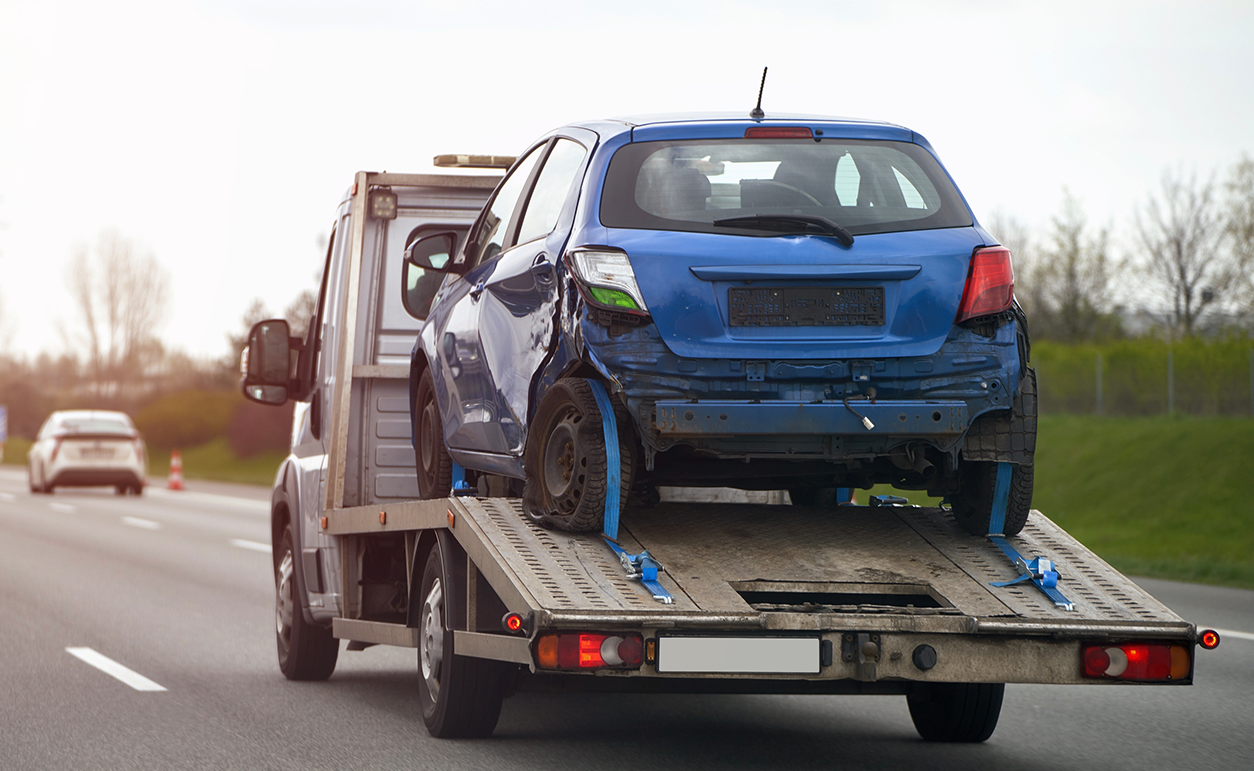
Once stabilized, vehicles are transported to the nearest repair facility or a location specified by the driver. Routes are carefully planned, accounting for road conditions and accessibility. Vehicles are secured to prevent movement, and drivers adhere to safe speed limits and driving practices. Regular monitoring during transport ensures no further damage occurs. Communication with repair shops allows scheduling handoffs efficiently. Proper transport practices are critical in remote areas, where road challenges could worsen vehicle conditions. These measures guarantee that vehicles reach repair centers safely, minimizing downtime and protecting drivers’ investments in their vehicles.
Safety Measures and Preparedness
Safety remains a priority during remote towing operations. Staff receive training in off-road towing techniques, emergency procedures, and proper equipment handling. Tow trucks carry first-aid kits, safety cones, reflective gear, and communication devices. Drivers are advised to maintain emergency kits, share precise location details, and monitor vehicle condition regularly. Proper preparation reduces response times and improves overall efficiency. These measures protect both personnel and stranded drivers. Preparedness ensures towing operations run smoothly even under adverse conditions. Following protocols prevents accidents and allows teams to resolve breakdowns quickly, safely, and professionally in remote environments.
Technology and Tracking Tools
Modern towing services use technology to improve response times and recovery efficiency. GPS tracking allows teams to locate stranded vehicles accurately, while communication apps provide real-time updates to drivers. Some tow trucks carry diagnostic tools to identify minor mechanical issues on-site. Weather monitoring systems help teams anticipate challenges like snow, rain, or icy conditions. Technology streamlines operations, reduces delays, and enhances driver safety. Combining technical tools with skilled personnel ensures that remote breakdowns are handled efficiently and vehicles reach repair facilities in optimal condition. Digital tools improve reliability in difficult environments.
Cost Factors in Remote Towing
Towing in remote areas can cost more due to extended travel, specialized equipment, and additional personnel. Companies consider distance, terrain, time, and any on-site repairs when determining pricing. Transparency in communication ensures drivers understand costs before services are provided. Emergency coordination or collaboration with repair shops may also influence the final cost. Investing in professional towing guarantees safety and prevents further vehicle damage, which could be more expensive to fix. Understanding cost factors helps drivers make informed decisions and choose trusted towing providers that operate efficiently even in remote locations.
Conclusion
Handling breakdowns in remote areas requires expertise, equipment, and careful planning. Towing companies follow structured procedures, from assessing the situation to safe on-site recovery and secure transport. Coordination with drivers, emergency services, and repair facilities ensures safety, efficiency, and minimal disruption. Awareness of these processes allows drivers to respond effectively during unexpected situations. Professional towing services protect both vehicles and passengers, even in hard-to-reach locations. Preparation, specialized equipment, and skilled personnel make a significant difference, providing peace of mind during roadside emergencies in isolated areas.
FAQs
1. How quickly can towing teams reach remote areas? Arrival times depend on distance, terrain, and accessibility, but drivers receive estimated times after assessment.
2. Are on-site repairs possible? Minor repairs such as battery jump-starts or tire inflation are often performed to enable safe transport.
3. What equipment is used for remote towing? Off-road tow trucks, winches, reinforced arms, heavy-duty chains, and portable repair tools ensure safe handling.
4. How do companies communicate with drivers in remote areas? Real-time updates, guidance for safety, and estimated arrival times are provided continuously until the vehicle is recovered.
5. Are vehicles safe during transport from remote locations? Vehicles are fastened securely, monitored throughout the journey, and handled to prevent additional damage.
Visit: https://mandmtowingashland.com/