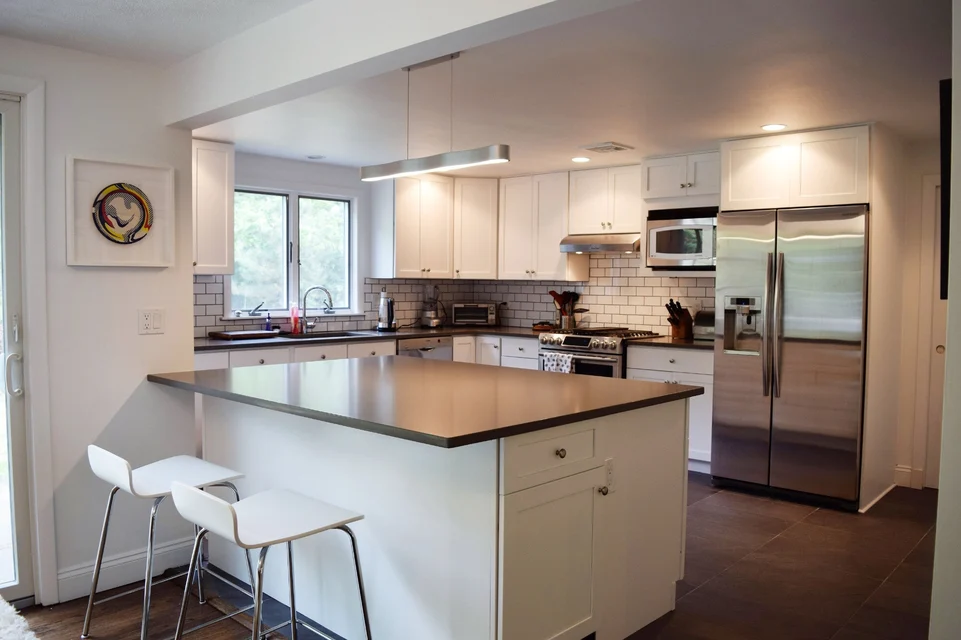
The efficiency and comfort of a kitchen depend heavily on its layout and flow. Homeowners searching for adu construction near me often overlook the importance of movement and functionality in kitchen spaces, focusing solely on aesthetics. Experts assess the current setup to identify bottlenecks, high-traffic zones, and inefficient work patterns, ensuring that every upgrade contributes to smoother operations. Proper planning combines precise measurements, workflow analysis, and careful consideration of lighting and storage, providing a kitchen that is both practical and inviting. Step-by-step guidance allows homeowners to implement changes systematically, preventing common mistakes and maximizing the benefits of the upgrade.
Assessing Current Kitchen Layout
Experts begin by thoroughly evaluating the existing kitchen structure to understand how space is currently utilized. Key areas are analyzed, including countertop space, appliance placement, storage accessibility, and natural pathways, to pinpoint inefficiencies.
Key assessment aspects include:
-
Identify high-traffic zones and bottlenecks
-
Check storage accessibility and countertop space
-
Observe natural light and ventilation
-
Note appliance placement and utility connections
This step ensures that any planned changes align with the actual needs of the household, creating a foundation for functional and seamless upgrades.
Prioritizing Functional Upgrades
Functional improvements take precedence over decorative changes to improve workflow immediately. Experts focus on reorganizing essential areas and integrating tools that simplify cooking and cleaning processes.
Common functional upgrades recommended by professionals include:
-
Installing pull-out shelves and organizers
-
Repositioning appliances for better workflow
-
Adding multi-functional islands or breakfast bars
-
Upgrading lighting for both task and ambiance
These upgrades address daily challenges, making it easier for multiple users to navigate the kitchen without congestion or wasted motion.
Selecting Materials and Finishes
The choice of materials influences both the kitchen’s efficiency and its maintenance requirements. Durable countertops, resilient flooring, and easy-to-clean cabinetry are preferred to withstand frequent use. Experts select surfaces that balance aesthetic appeal with practicality, such as quartz countertops for durability, slip-resistant tiles for safety, and matte finishes for low-maintenance cleaning. Proper material selection reduces long-term costs while maintaining a polished appearance, ensuring that the kitchen remains both functional and visually appealing.
Designing for Traffic Flow
Optimizing movement involves creating clear pathways and designated zones for specific tasks. Cooking, prep, and cleaning areas are strategically positioned to minimize overlapping activity. Experts map movement patterns, accounting for multiple users and common activities, ensuring that each area is accessible without disrupting workflow. This approach reduces congestion and creates a sense of openness, allowing kitchen tasks to be completed efficiently while maintaining comfort.
Lighting and Ventilation Strategies
Proper lighting and ventilation significantly impact the functionality of a kitchen. Experts combine ambient, task, and accent lighting to create an environment that supports both cooking and social interaction. Placement of exhaust systems and vents is carefully planned to remove odors and moisture effectively, enhancing comfort and air quality. Well-lit and well-ventilated kitchens not only improve efficiency but also contribute to a more pleasant and safe cooking experience.
Integrating Technology and Smart Storage
Modern kitchens benefit from technology and intelligent storage solutions that streamline operations. Motion-sensor lighting, smart appliances, and automated storage systems allow users to focus on cooking rather than organization. Experts integrate pull-out drawers, corner carousels, and modular units that maximize space while keeping frequently used items easily accessible. These upgrades reduce clutter, improve efficiency, and contribute to a modern kitchen workflow that adapts to daily routines.
Maintaining Aesthetic Cohesion
A functional kitchen should also maintain a visually appealing design. Experts ensure that color schemes, cabinetry styles, and countertop finishes align for a cohesive appearance. This careful integration of aesthetics with functionality prevents a disjointed look while maintaining a smooth workflow. The result is a kitchen that is not only practical but also inviting, encouraging use and enjoyment of the space.
Professional Consultation and Planning
Professional guidance is critical when implementing complex upgrades. Experts provide insight into budgeting, timelines, and regulatory requirements, ensuring that renovations comply with local codes. Their experience helps homeowners avoid common pitfalls, such as improper appliance placement or insufficient storage, by offering tailored recommendations that suit both space and lifestyle. This planning process ensures that the kitchen upgrade delivers maximum efficiency and long-term value.
Conclusion
Improving kitchen flow requires a structured approach that prioritizes functionality, durability, and user comfort. By assessing current layouts, implementing functional upgrades, choosing appropriate materials, optimizing movement, and incorporating technology, adu construction near me experts create kitchens that are both efficient and aesthetically pleasing. Proper planning and professional consultation allow homeowners to make informed decisions, resulting in a kitchen that supports smooth daily operations and a pleasant cooking experience. Strategic upgrades maximize space, reduce frustration, and transform the kitchen into the heart of the home.
FAQs
How do experts identify kitchen layout issues?
Experts analyze movement patterns, storage access, countertop space, and appliance placement to pinpoint inefficiencies that disrupt workflow.
What functional upgrades have the most impact on kitchen flow?
Installing pull-out shelves, repositioning appliances, adding islands, and upgrading lighting are among the most effective improvements.
Which materials are best for a durable and efficient kitchen?
Quartz countertops, slip-resistant tiles, and easy-to-clean cabinetry are preferred for durability, maintenance, and smooth workflow.
Can smart technology improve kitchen efficiency?
Yes, motion-sensor lighting, smart appliances, and modular storage systems streamline tasks, reduce clutter, and support efficient operations.