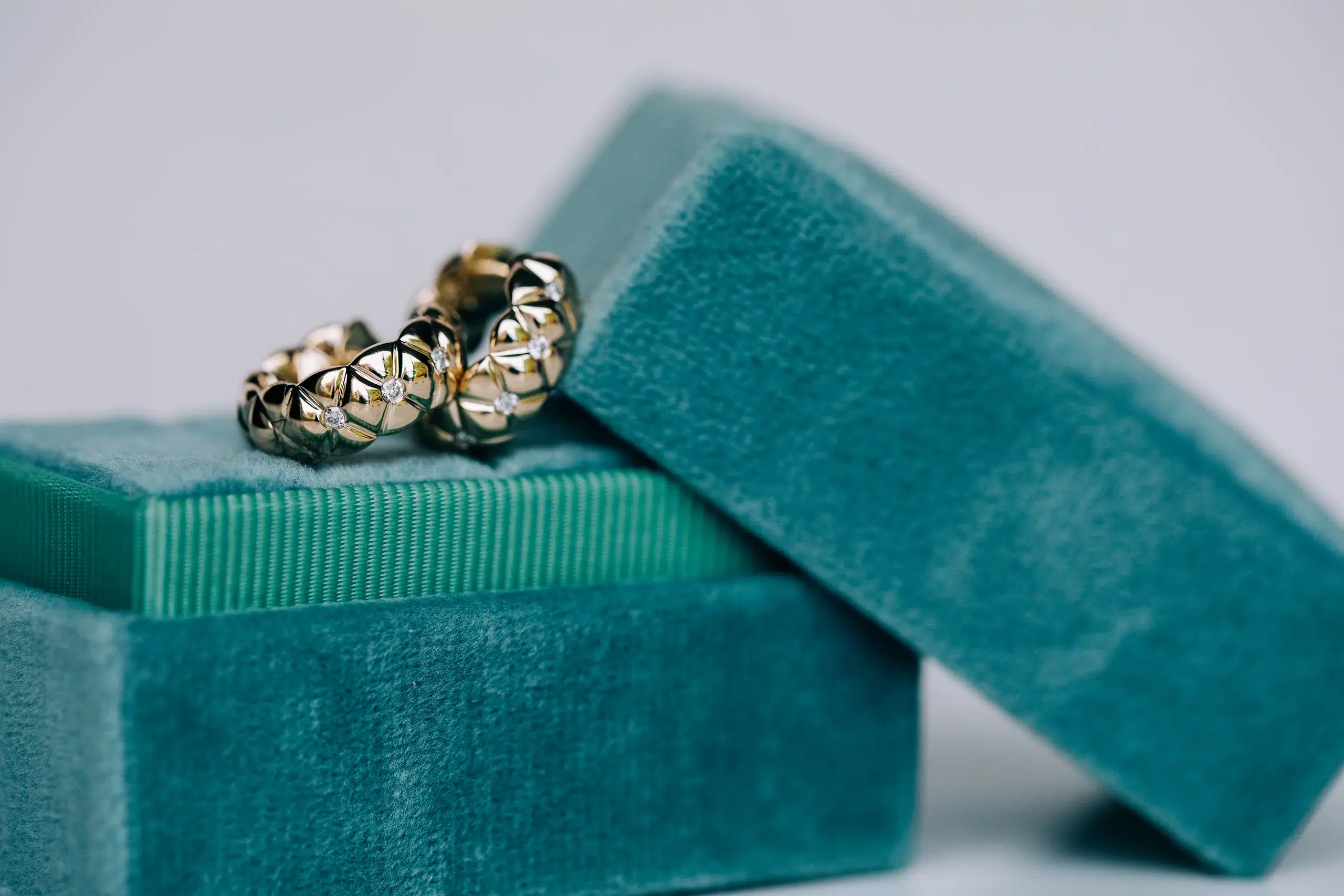
Jewelry creation combines imagination, precision, and artistic discipline to produce pieces that people connect with on a personal level. Unique Handcrafted Jewelry in Hickory showcases how skilled artisans turn creative ideas into wearable expressions through thoughtful planning and craftsmanship. This guest post explains the step-by-step journey jewelry makers follow to transform inspiration into finished designs. Each stage reflects intentional choices that shape quality, comfort, and visual appeal, allowing creativity to exist in a form that feels meaningful, refined, and enduring.
Creative Vision
A strong creative vision forms the backbone of every successful jewelry piece. Designers begin by defining the emotion, story, or theme they want to communicate. This vision influences shape, size, texture, and overall structure. Rather than designing randomly, jewelry makers rely on this mental framework to maintain consistency throughout production. Clear artistic direction prevents design drift and ensures the final piece reflects its original intent while remaining wearable, balanced, and visually engaging for the intended audience.
Inspiration Sources
Inspiration enters the jewelry-making process through observation, memory, and experience. Artists draw ideas from natural elements, architectural forms, cultural symbols, and everyday surroundings. Subtle details such as color contrasts or surface textures often spark new concepts. Exposure to art history and global design traditions also informs creative development. By continuously observing and interpreting the world around them, jewelry makers generate original ideas that feel authentic while supporting long-term artistic growth and consistency.
Design Development
Design development bridges the gap between imagination and structure. Jewelry makers translate initial ideas into sketches or digital drafts, refining proportions and adjusting details for wearability. Consideration of movement, symmetry, and balance occurs during this stage. Each adjustment supports comfort and durability without compromising artistic intent. Careful planning reduces production issues later, allowing the design to progress smoothly from concept to creation while preserving the integrity of the original creative vision.
Material Selection
Material selection defines the durability, appearance, and overall value of jewelry. Makers evaluate components based on strength, texture, and compatibility with the design concept. The selection process often includes:
- Metals chosen for longevity and visual harmony
- Gemstones selected for color, symbolism, and clarity
- Sustainable or ethically sourced materials
- Surface finishes that enhance depth and character
Each material contributes to the final identity of the piece and influences its long-term performance.
Craft Techniques
Craft techniques bring designs into physical form through skilled execution. Jewelry makers rely on processes such as forging, casting, soldering, and stone setting to shape their creations. Precision remains critical, as minor inconsistencies can affect structure and appearance. Mastery of technique allows artisans to experiment creatively while maintaining quality standards. Consistent craftsmanship ensures every piece meets functional expectations while reflecting the maker’s artistic expertise and attention to detail.
Detailing and Finishing
Detailing elevates jewelry from simple construction to refined artistry. Polished edges, subtle engravings, and consistent surface treatments add depth and professionalism. Jewelry makers devote significant time to finishing because small refinements influence comfort and visual appeal. Smooth contact points improve wearability, while fine details enhance elegance. This stage often determines how the piece feels and looks during everyday use, making it essential to the overall success of the design.
Wearability and Comfort
Wearability plays a central role in transforming jewelry into functional art. Designers evaluate weight distribution, movement, and skin contact throughout production. Comfortable jewelry encourages regular use and long-term satisfaction. Structural decisions focus on preventing irritation while maintaining visual impact. By respecting how the body interacts with each piece, jewelry makers ensure creativity enhances daily life rather than limiting it, allowing artistic expression to remain practical and enjoyable.
Emotional Connection
Jewelry often carries emotional significance tied to personal milestones or memories. Designers intentionally incorporate symbolism, shapes, or materials that resonate with the wearer’s identity. This emotional layer transforms jewelry into more than decoration. Meaningful design choices help establish a lasting bond between the wearer and the piece. Emotional connection strengthens perceived value, turning creative work into a personal expression that holds relevance beyond trends.
Artistic Growth
Artistic growth occurs through reflection, experimentation, and adaptation. Jewelry makers analyze completed pieces to identify strengths and areas for refinement. Exposure to new techniques and evolving design preferences supports creative development. Continuous learning allows artisans to refine their style without losing originality. This evolution ensures designs remain relevant while preserving craftsmanship standards, strengthening both creative confidence and professional consistency across collections.
Conclusion
Turning creative ideas into wearable art requires thoughtful planning, technical skill, and artistic discipline. Jewelry makers follow a structured process that blends inspiration, materials, and craftsmanship into cohesive designs. Each step supports durability, comfort, and emotional value. Through careful execution and attention to detail, creativity becomes something tangible and personal. This process highlights how jewelry functions as both artistic expression and meaningful everyday adornment.
FAQs
How do jewelry makers start the design process?
Jewelry makers begin by defining a creative vision and translating ideas into sketches or structured concepts.
What materials are commonly used in handcrafted jewelry?
Common materials include metals, gemstones, and ethically sourced components selected for durability and appearance.
Why is wearability important in jewelry design?
Comfort ensures jewelry can be worn regularly without irritation while maintaining artistic appeal.
How does craftsmanship affect jewelry quality?
Skilled craftsmanship improves durability, structure, and overall visual refinement.
What makes jewelry a form of wearable art?
Artistic vision, emotional meaning, and detailed execution transform jewelry into expressive wearable art.
Visit: https://designsbybase.com/