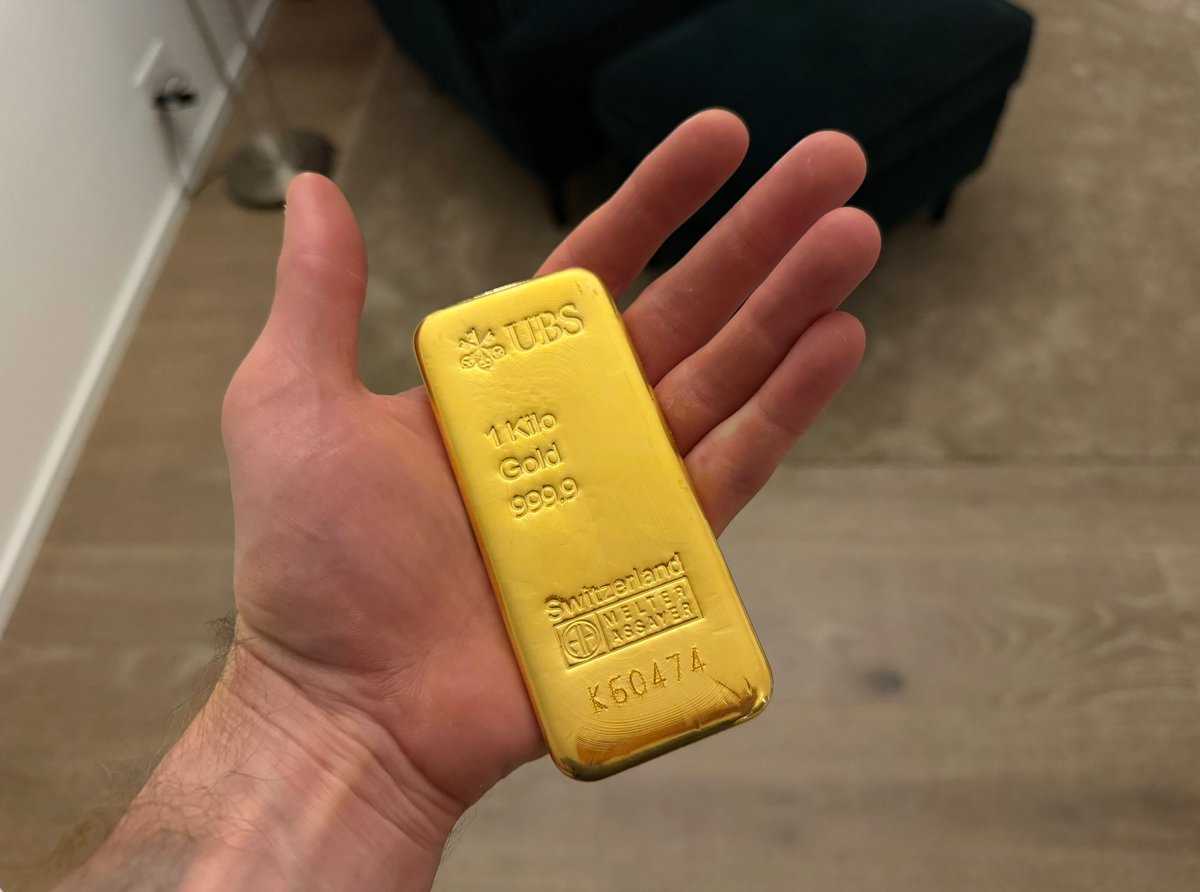
Buying gold bars is a reliable way to strengthen an investment portfolio, but price variations between dealers can affect returns. Checking the Credit Suisse 1g fine gold 999.9 price provides insight into market trends. Comparing multiple sources and evaluating premiums ensures you avoid paying inflated prices. Understanding market rates, bar purity, dealer reputation, and spot price trends allows investors to make informed choices. Careful research ensures each purchase maximizes value, reduces risk, and secures long-term investment benefits in precious metals.
Check Purity Levels
-
Confirm the gold bar’s purity (e.g., 999.9 vs. 999)
-
Higher purity often comes at a premium
-
Look for hallmarks and certificates of authenticity
-
Compare certified bars with non-certified bars for price differences
-
Understand that tiny variations in purity affect the final cost
Gold bars are offered in different purity levels, generally ranging from 99.9% to 99.99%. Higher purity typically costs more but ensures superior resale value. Verifying hallmarks and certificates from reputable mints is essential. Comparing certified and non-certified bars highlights potential hidden premiums. Even minimal purity differences influence long-term investment returns. Careful attention to purity ensures each purchase accurately reflects gold content, providing security and confidence in the investment while minimizing risk associated with counterfeit or lower-grade bars.
Compare Dealer Prices
Researching multiple bullion dealers reveals how prices and premiums differ widely. Each dealer may add unique charges over spot prices, so comparing options is vital. Online reviews and ratings help identify reputable sellers, reducing exposure to scams or unfair pricing. Additional fees such as shipping, storage, or insurance can significantly impact total costs. Evaluating several dealers ensures a well-rounded perspective on market value. Comparing prices systematically allows investors to secure the best deal and avoid unnecessary expenses, safeguarding both short-term purchases and long-term investment returns.
Consider Spot Price Trends
Gold spot prices fluctuate daily based on market demand and global economic factors. Tracking these trends using charts and historical data allows investors to identify advantageous purchase periods. Spot prices influence premiums, which can vary according to bar size and dealer policy. Awareness of these patterns enables strategic timing, avoiding overpayment when prices rise. Understanding spot price movements improves decision-making, reduces financial risk, and ensures investments reflect real market value. Investors who monitor spot trends gain a competitive advantage, optimizing purchase timing for maximum value in both small and large gold bar acquisitions.
Factor in Bar Size
Gold bars come in multiple sizes, with smaller bars like 1g or 5g typically carrying higher premiums per gram. Larger bars often offer better value for bulk investors. Choosing the right size depends on budget, storage capacity, and intended resale strategy. Comparing prices across sizes helps identify cost-efficient options while maintaining flexibility in future sales. Smaller bars offer liquidity, while larger bars reduce per-gram cost. Considering both financial and practical aspects ensures the chosen bar size aligns with long-term investment goals and provides a balance between affordability, convenience, and potential returns.
Check Authenticity
Verifying a gold bar’s authenticity protects the investment and prevents fraud. Look for certificates issued by recognized mints, serial numbers, and tamper-proof packaging. Many dealers provide third-party verification or assays to confirm the bar’s genuineness. Ensuring authenticity guarantees the price reflects real gold content rather than counterfeit materials. Cross-checking with trusted sources enhances confidence in the purchase. Authentic bars maintain resale value, making verification essential for long-term investments. A thorough authenticity check prevents losses, supports transparency, and upholds trust in both the dealer and the gold market.
Evaluate Dealer Policies
Understanding dealer policies is crucial to protecting investments. Return, buyback, and warranty terms can influence total costs and flexibility in future sales. Transparent policies indicate a reliable dealer and minimize potential disputes. Flexible return options and buyback guarantees allow investors to recover costs efficiently. Comparing terms across dealers ensures security if resale or returns are necessary. Detailed policy evaluation helps investors avoid hidden restrictions and unexpected losses. A comprehensive review of dealer terms contributes to confident decision-making, offering both short-term protection and long-term assurance that investments remain safe and liquid.
Consider Additional Costs
Total expenditure on gold bars extends beyond the purchase price. Shipping, insurance, and storage fees can significantly impact investment value. Evaluating these factors before purchasing ensures a realistic understanding of ownership costs. Delivery times and secure handling options also influence decisions, particularly for high-value bars. Factoring in all associated expenses allows investors to make informed choices, avoid surprises, and select the dealer that offers the best overall deal. Considering these costs supports budget planning, protects returns, and ensures that the actual investment aligns with both financial and strategic objectives.
Conclusion
Comparing gold bar prices requires attention to purity, dealer reputation, spot trends, bar size, and extra costs. Conducting research and careful evaluation allows investors to make informed purchases that minimize risk and maximize value. Whether acquiring a single Credit Suisse 1g fine gold 999.9 bar or larger quantities, following these guidelines ensures secure and cost-effective investments. Attention to detail, verification, and strategic planning transforms gold buying into a reliable component of a balanced portfolio, enhancing both confidence and long-term financial stability.
FAQs
1. How can I verify a gold bar’s purity?
Check for hallmarks, certificates from trusted mints, and third-party assays to confirm the gold content.
2. Why do smaller bars have higher premiums?
Smaller bars cost more per gram due to production, handling, and packaging expenses.
3. How often should I track gold spot prices?
Daily monitoring helps identify ideal purchase moments and prevents overpaying during price fluctuations.
4. Are dealer policies important when buying gold?
Yes, return, buyback, and warranty policies affect investment security and resale value.
5. What additional costs should I consider?
Shipping, insurance, and storage fees can significantly impact the total investment cost.
Visit: https://arkoex.com/