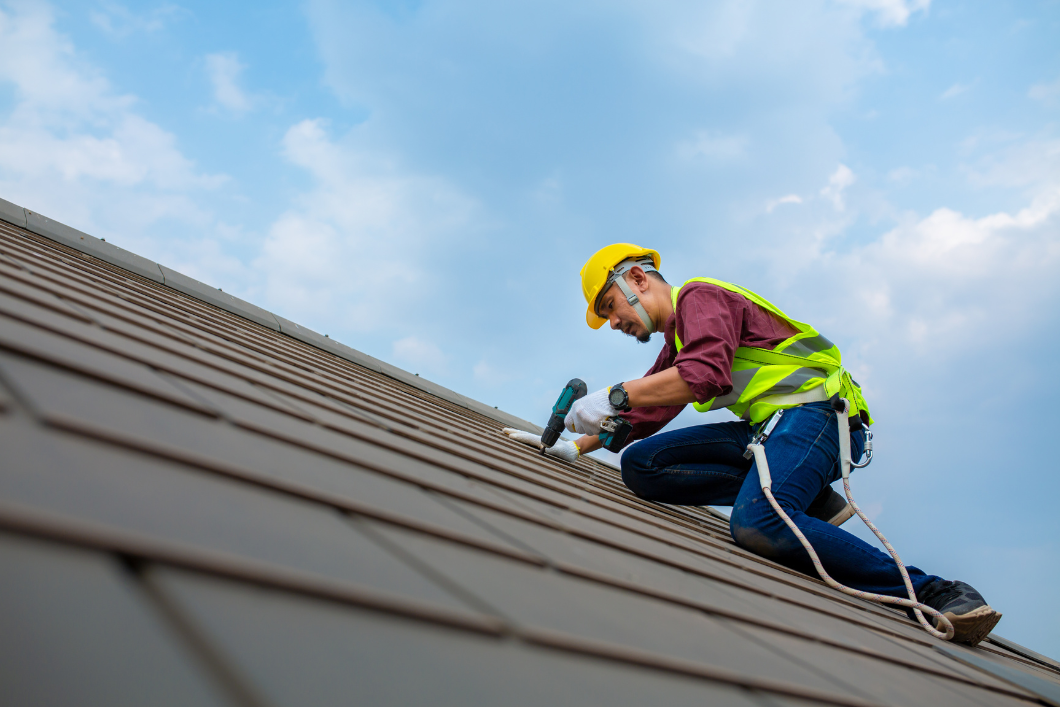
Roof durability depends on consistent upkeep rather than reactive repairs. Property owners who understand maintenance fundamentals reduce long-term risks while preserving structural integrity. A roof exposed to weather, debris, and temperature shifts requires attention throughout its service life. Homes built under new construction roofing standards still face gradual wear without proper care routines. Establishing maintenance habits early supports material performance, prevents hidden damage, and limits costly replacements. This guide explains proven practices through a step-by-step approach that focuses on inspection, cleaning, repair, and long-term planning.
Step 1: Learn How Roofing Materials Age Over Time
Roof materials respond differently to sun exposure, moisture, and seasonal stress. Asphalt shingles lose granule protection, metal panels expand and contract, and tile roofs face cracking risks under pressure. Understanding these behaviors helps property owners identify early warning signs. Material awareness also supports informed maintenance scheduling. Regular observation of surface changes allows timely action that preserves roof stability and performance.
Step 2: Schedule Routine Visual Inspections
Consistent inspections identify problems that develop slowly. Surface irregularities, loose components, and discoloration often appear long before leaks occur. Walk-around observations from ground level support early detection, while professional inspections provide deeper evaluation. Routine scheduling ensures small defects receive attention without escalating into structural concerns. Documentation of inspection findings also helps track roof condition over time.
Step 3: Keep Roof Surfaces Clean and Clear
Debris accumulation traps moisture and accelerates material breakdown. Leaves, branches, and dirt reduce water flow while increasing weight stress. Regular cleaning protects shingles, tiles, and flashing from unnecessary exposure. Clean surfaces allow rainwater to drain efficiently, reducing the chance of leaks and rot. Controlled cleaning methods preserve material coatings and prevent surface damage.
Step 4: Maintain Gutters and Drainage Systems
Water management plays a central role in roof longevity. Gutters clogged with debris cause overflow that damages fascia and roof edges. Downspouts blocked by buildup redirect water toward foundations and roof structures. Routine clearing supports proper drainage and reduces moisture exposure. Functional drainage systems prevent pooling that leads to mold growth and material decay.
Step 5: Address Minor Repairs Promptly
Small defects weaken surrounding materials when left untreated. Lifted shingles, cracked seals, and exposed fasteners allow moisture penetration. Prompt repair limits damage spread and preserves roof layers. Attention to minor issues reduces repair complexity while extending overall service life. Timely action also protects interior spaces from water intrusion.
Step 6: Monitor Flashing and Roof Penetrations
Flashing protects joints where roof surfaces meet vents, chimneys, and skylights. Seal failure around these areas creates common leak points. Regular inspection ensures flashing remains secure and properly sealed. Replacing worn materials prevents moisture entry and structural deterioration. Strong flashing performance supports roof resilience during heavy rainfall.
Step 7: Support Proper Ventilation and Insulation
Balanced airflow regulates temperature and moisture levels within roofing systems. Poor ventilation traps heat, accelerating material wear and raising energy costs. Insulation supports indoor comfort while reducing roof stress caused by temperature fluctuations. Proper airflow prevents condensation buildup that damages decking and framing. Ventilation assessments help maintain stable roofing conditions year-round.
Step 8: Plan Maintenance Around Seasonal Changes
Weather patterns influence roof performance throughout the year. Heat exposure dries materials, while storms test drainage and sealing systems. Seasonal planning prepares roofs for upcoming conditions through inspections and preventive care. Adjusting maintenance timing reduces weather-related damage risks. Proactive planning strengthens roof durability across climate cycles.
Step 9: Limit Foot Traffic and Surface Stress
Unnecessary roof access increases damage risk. Walking on roofing materials loosens fasteners and cracks surfaces. Controlled access during maintenance protects structural integrity. Professional handling reduces pressure on vulnerable areas. Limiting foot traffic preserves material alignment and prevents accidental breakage.
Step 10: Use Professional Maintenance Services Strategically
Professional services provide expertise beyond routine homeowner care. Advanced inspections identify underlying issues not visible from the surface. Trained technicians apply proper repair techniques while following safety standards. Periodic professional evaluations complement routine maintenance efforts. Strategic use of expert services maximizes roof lifespan and reliability.
Long-Term Benefits of Consistent Roof Maintenance
Maintenance investment reduces unexpected repair expenses while supporting property value. Well-maintained roofs offer improved weather resistance and energy efficiency. Consistent care delays replacement timelines and protects interior spaces. Structured maintenance also simplifies insurance evaluations and property assessments. Long-term benefits reflect stability, safety, and financial efficiency.
Conclusion
Roof lifespan reflects maintenance commitment rather than material alone. Step-by-step practices such as inspection, cleaning, drainage management, and timely repairs preserve roof performance. Awareness of material behavior and seasonal impact supports smarter decision-making. Consistent routines protect structural integrity while reducing long-term costs. A maintained roof delivers durability, reliability, and peace of mind for years.
FAQs
How often should a roof be inspected?
Roof inspections work best on a scheduled basis, typically twice a year and after major weather events, to identify early signs of damage.
Does roof cleaning really extend lifespan?
Surface cleaning removes moisture-trapping debris that accelerates material breakdown, helping roofing systems maintain durability longer.
Are small roof repairs worth addressing immediately?
Minor repairs prevent damage from spreading into larger structural problems, reducing overall repair costs and extending roof service life.
Should professional roof maintenance replace DIY care?
Professional maintenance complements routine care by addressing technical issues while ensuring safety and proper repair methods.