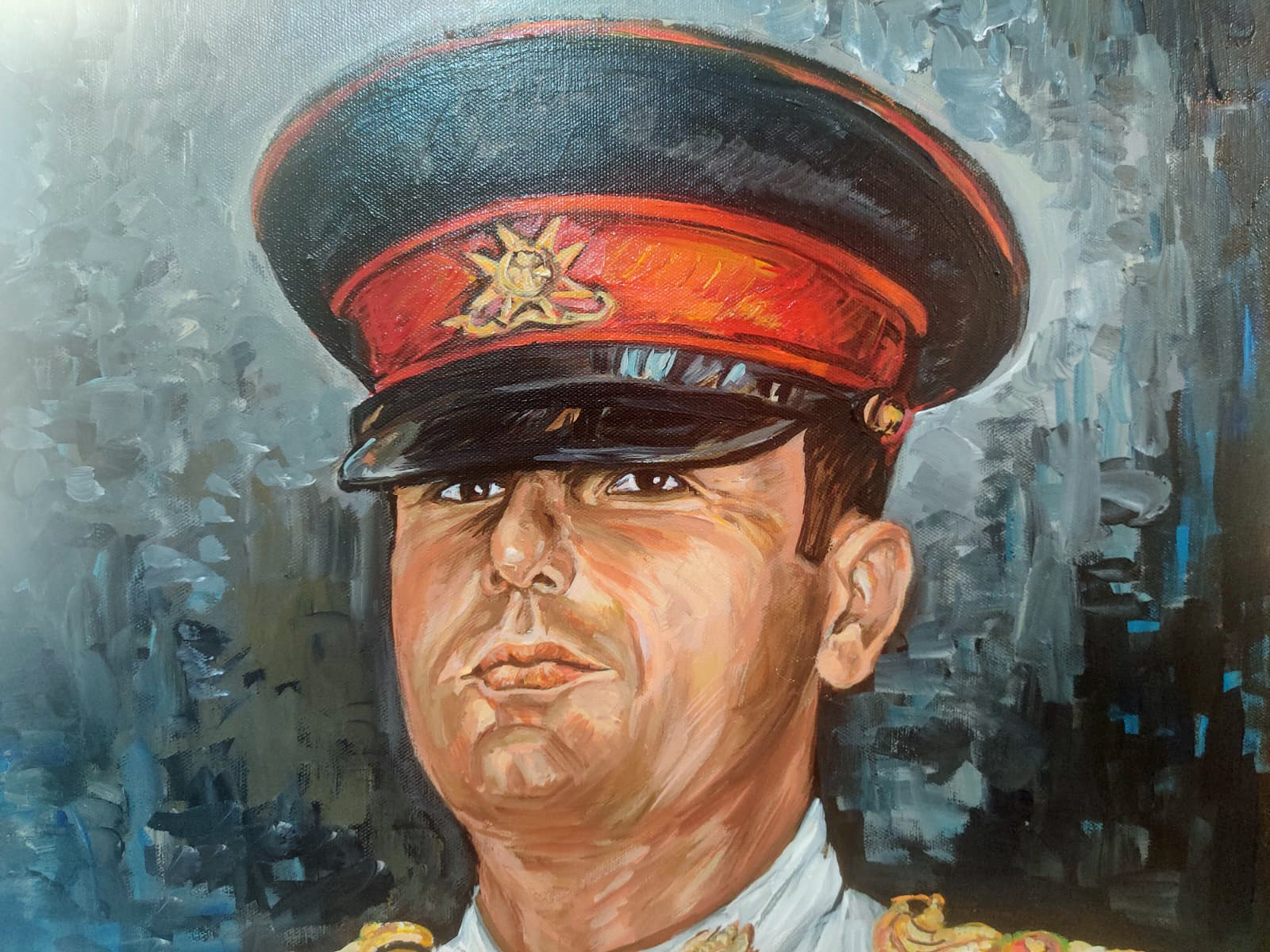
Artistic Portrait Photography captures more than a subject’s appearance; it conveys personality, mood, and emotion, creating images that remain meaningful across generations. A portrait that stands out combines technical skill, creative vision, and a deep understanding of human expression. Achieving a timeless result requires attention to lighting, composition, and emotion while preserving authenticity. Every decision in framing, posing, and post-processing contributes to the enduring appeal of the image. Exploring the core elements of artistic portraits provides a foundation for creating photographs that resonate and remain visually captivating over time.
Core Elements of Artistic Portrait Photography
-
Composition: framing the subject using balance, symmetry, or the rule of thirds to draw attention to the most important features.
-
Lighting: using natural or controlled lighting to create mood, depth, and dimension. Soft light produces gentle tones, while dramatic lighting adds contrast and focus.
-
Expression: capturing genuine emotion through subtle facial expressions, gestures, or interactions. Authenticity enhances the viewer’s connection to the portrait.
-
Pose: arranging the body in ways that communicate personality, confidence, or vulnerability, considering angles and posture that flatter the subject.
-
Background: selecting environments that complement the subject without distracting from their presence, using textures, colors, and patterns strategically.
Every element combines to create an immediate visual impact while supporting long-term interest. The goal is to craft a portrait that feels complete and intentional in both technical and emotional aspects.
Technical Considerations That Elevate Portraits
-
Camera settings: choosing the correct aperture, shutter speed, and ISO ensures sharpness, clarity, and control over depth of field.
-
Lens choice: prime lenses provide sharp focus and creamy bokeh, while zoom lenses offer flexibility for different compositions.
-
Color grading: maintaining harmonious tones and subtle adjustments enhances mood without altering authenticity.
-
Post-processing: applying retouching techniques that emphasize the subject’s features while preserving natural textures adds refinement.
-
Focus and sharpness: keeping the eyes and main facial features in crisp focus draws viewers into the portrait.
Technical mastery is not only about equipment but also about understanding how these choices interact with light, subject, and environment. The subtleties of settings and lens selection elevate a portrait from ordinary to exceptional.
Emotional Connection and Storytelling
Portraits gain timeless quality when they tell a story or convey a connection. A subject’s expression, gaze, and posture should reflect their inner personality or a specific mood, creating an emotional bridge with the viewer. Moments of vulnerability, confidence, joy, or contemplation communicate a narrative that transcends trends. Using props, environment, or subtle gestures can enhance storytelling without overwhelming the image. Emotional resonance encourages repeated viewing, ensuring the portrait remains memorable and appreciated long after it was taken.
Style and Artistic Vision
A photographer’s unique style distinguishes one portrait from another. Choices such as color palette, framing, lens effects, and composition define an artist’s visual identity. Consistency in style builds recognition and gives a portrait its signature quality. Creative experimentation within a recognizable style adds innovation while maintaining coherence. Attention to small details such as texture, clothing, and subtle gestures strengthens the aesthetic value. Timeless portraits combine personal vision with universally appealing qualities that resonate across audiences.
Cultural and Historical Influence
Incorporating cultural and historical elements can enrich a portrait’s significance and longevity. Costumes, traditions, or symbolic objects add depth and context, creating an image that reflects heritage and identity. Historical portraits that endure often capture universal emotions or societal ideals relevant across generations. Modern portraits can achieve similar longevity by integrating timeless cultural or symbolic references that provide additional layers of meaning. Awareness of these influences allows photographers to produce images that honor both contemporary and classical artistic standards.
Longevity Factors That Make Portraits Timeless
Portraits achieve lasting appeal through simplicity, authenticity, and emotional resonance. Avoiding over-styled or overly trendy aesthetics ensures the image remains relevant for decades. Capturing real expressions rather than forced poses contributes to an enduring sense of truth. Minimalist backgrounds and neutral tones emphasize the subject rather than competing elements. Physical presentation, such as archival prints, high-quality materials, and careful framing, preserves the visual integrity. The combination of technical precision, artistic vision, and emotional connection creates portraits that transcend time and maintain their value as art.
Conclusion
Creating an artistic and timeless portrait requires a blend of technical skill, creative direction, and emotional insight. Focusing on composition, lighting, and authentic expression forms the foundation, while careful attention to style, storytelling, and cultural relevance elevates the portrait. Long-lasting appeal arises from simplicity, emotional depth, and presentation quality. Photographers who master these elements produce images that resonate across generations, achieving a lasting impact in the world of artistic portrait photography. Every portrait becomes more than a visual representation; it becomes a story, a feeling, and a timeless piece of art.
FAQs
What makes a portrait timeless?
Timeless portraits capture authentic emotion, clear composition, and balanced lighting. Simplicity and minimal distractions contribute to long-lasting appeal.
How does lighting affect a portrait’s artistic quality?
Lighting shapes mood, highlights features, and adds depth. Soft, natural light creates a gentle effect, while controlled directional light adds drama and focus.
What role does style play in artistic portrait photography?
A distinct photographic style defines the visual identity of the portrait, making it recognizable and enhancing aesthetic appeal. Consistency in style strengthens artistic value.
Can cultural elements make a portrait more memorable?
Integrating cultural symbols, attire, or traditions adds depth, context, and relevance, increasing the portrait’s significance and timeless quality.