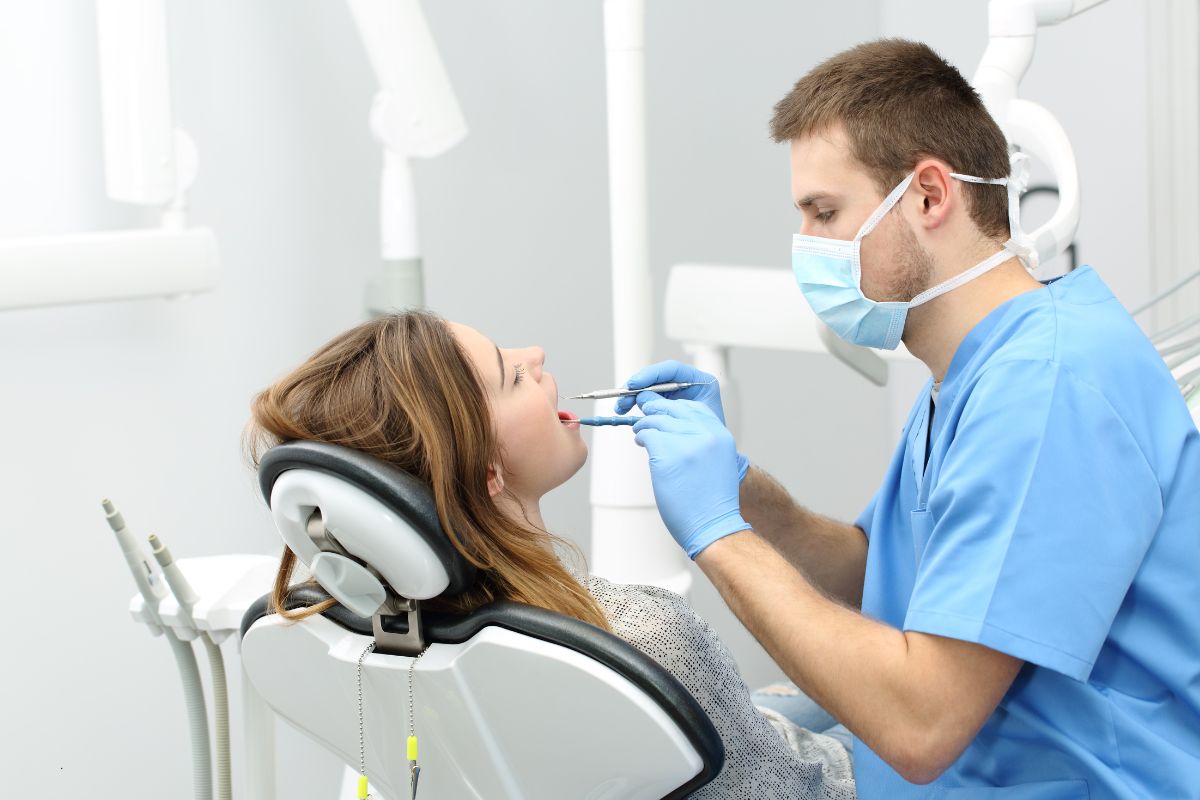
Tooth sensitivity can make everyday activities like drinking hot coffee or eating cold desserts uncomfortable. Many people struggle with this issue without understanding its cause or the proper treatment. Consulting a dentist in Conshohocken helps identify the underlying problem, whether enamel erosion, gum recession, or dental decay. Professional guidance ensures targeted treatments that relieve discomfort and protect oral health. Awareness of available options allows patients to manage sensitivity effectively, maintain strong teeth, and avoid complications that could require invasive procedures later. Early care improves comfort and long-term dental health.
Tooth Sensitivity
Tooth sensitivity occurs when the protective enamel thins or wears away, exposing the dentin layer beneath. Dentin contains microscopic tubules connected to nerve endings, making teeth vulnerable to pain from hot, cold, or acidic foods. Common causes include gum recession, cavities, cracked teeth, acidic foods, overuse of whitening products, and brushing too hard. Identifying the exact cause is crucial for selecting the right treatment. Dentists in Conshohocken assess the condition, ensuring relief measures target the problem effectively. Understanding sensitivity helps prevent it from worsening and supports proper long-term oral care.
Desensitizing Toothpaste and Mouthwash
Desensitizing toothpaste and mouthwash offer a simple first step for managing mild tooth sensitivity. Formulas containing potassium nitrate or strontium chloride block pain signals from reaching the nerves, gradually reducing discomfort. Regular use integrates easily into daily oral hygiene routines, complementing professional treatments. Mouthwashes may contain additional minerals to strengthen enamel and protect exposed dentin. Patients who consistently use these products often experience noticeable relief within weeks. Dentists recommend these non-invasive solutions to support long-term oral health and prevent sensitivity from becoming a persistent or more severe problem.
Fluoride Treatments
Professional fluoride treatments provide stronger protection against tooth sensitivity than over-the-counter products. Dentists apply concentrated fluoride directly to teeth, reinforcing enamel and reducing exposure of the dentin layer. This process also helps prevent cavities, decay, and further enamel erosion. Patients experiencing severe sensitivity often notice quick pain relief after fluoride applications. Periodic treatment is especially beneficial for those prone to enamel wear or acidic diets. Fluoride therapy works well alongside desensitizing toothpaste and other preventive measures, creating a layered defense that supports stronger, healthier teeth and reduces discomfort over time.
Dental Bonding and Sealants
Dental bonding and sealants protect sensitive teeth by covering exposed dentin and repairing minor defects. A resin-based material is applied to shield teeth from temperature changes, irritants, or external triggers. These treatments also repair small chips, cracks, or enamel wear that can worsen sensitivity. Bonding and sealants provide both cosmetic and functional benefits, improving appearance while reducing discomfort. Proper maintenance ensures these treatments last several years. Dentists recommend bonding or sealants for moderate sensitivity cases, particularly when daily care and desensitizing products do not fully relieve discomfort or when cosmetic improvement is desired.
Treatment for Gum Recession
Gum recession exposes the roots of teeth, which are highly sensitive due to the lack of protective enamel. Dentists address this condition using procedures such as scaling and root planing to remove plaque buildup, soft tissue grafts to cover exposed roots, and preventive maintenance to limit further recession. Treating gum recession reduces sensitivity while improving overall oral hygiene and supporting healthy gums. Early intervention prevents more extensive dental problems and strengthens the foundation of teeth. Maintaining healthy gums is essential for minimizing discomfort, protecting the roots, and reducing the risk of cavities and other complications associated with sensitivity.
Lifestyle and Home Care Adjustments
Daily habits significantly influence tooth sensitivity and its management. Dentists recommend using soft-bristled toothbrushes, gentle brushing techniques, limiting acidic or sugary foods, and reducing teeth whitening product use. Rinsing with water after meals or acidic drinks helps neutralize harmful acids and prevents enamel erosion. These adjustments complement professional treatments, enhancing their effectiveness. Consistency in home care supports long-term oral health and prevents new triggers from causing discomfort. Patients who adopt these habits often experience reduced sensitivity and maintain stronger teeth, making professional treatments more successful and sustainable over time.
Root Canal or Advanced Procedures
Persistent or severe tooth sensitivity may require advanced treatments such as root canal therapy or crowns. Root canals treat nerve damage directly, eliminating pain caused by deep decay or trauma. Crowns protect weakened teeth, preventing further damage and restoring function. Surgical interventions may be necessary for complex cases involving significant structural or gum issues. These procedures provide long-term relief for patients who do not respond to conservative measures. Early evaluation by a dentist ensures timely intervention, reducing the need for extensive treatment. Advanced care restores comfort, function, and confidence in dental health.
Conclusion
Sensitive teeth can impact daily life, but professional guidance and proper care make relief achievable. Dentists in Conshohocken offer treatments ranging from desensitizing toothpaste and fluoride applications to dental bonding, sealants, and advanced procedures like root canals. Combining professional care with home habits ensures long-term oral health and minimizes pain. Addressing sensitivity early prevents more serious dental issues, protects enamel and gums, and supports confident smiles. Consistent monitoring, preventive care, and timely intervention allow patients to manage sensitivity effectively while maintaining strong, healthy teeth.
Visit: https://conshohockendentalcare.com/